
Table of Contents
- What Clean Beauty Certifications Actually Mean
- Why Third-Party Certification Matters for Ingredient Safety
- EWG Verified Skincare: Understanding the Environmental Working Group Standard
- Organic Skincare Certification Standards and What They Verify
- Vegan Beauty Certification and Cruelty-Free Standards
- Leaping Bunny Certification: The Gold Standard for Cruelty-Free Verification
- How to Verify Certifications and Spot Misleading Claims
- Frequently Asked Questions
Last Updated: October 17, 2026
What Clean Beauty Certifications Actually Mean
Clean beauty certifications are third-party seals that verify a product meets specific standards for ingredient safety, environmental responsibility, or ethical practices. They're not regulated by a single body, instead, independent organizations set their own criteria and audit brands that apply for certification. When you see a seal on a skincare bottle, it means that product has passed testing or documentation review by an external certifier, not just the brand's own claims.
The difference between a certified product and an unverified one comes down to accountability. A brand can call itself "natural" or "clean" without evidence. A certified product has documentation backing it up. At Mad Penguin Skincare, we understand that transparency matters to people choosing skincare, which is why we prioritize clean formulas free from synthetic chemicals and harsh additives. Certifications give you a way to verify those claims rather than taking a brand's word for it.
Not all certifications carry equal weight. Some focus on ingredient restrictions, others on manufacturing practices, and still others on animal welfare or environmental impact. Understanding what each seal actually verifies helps you make choices aligned with your own priorities.
Why Third-Party Certification Matters for Ingredient Safety
Third-party certification removes the conflict of interest that exists when a brand tests its own products. An independent auditor has no financial stake in whether a product passes or fails, their reputation depends on honest evaluation. This creates a meaningful difference in how rigorously products are assessed.
Certifiers typically require ingredient disclosure and review formulations against their safety standards. Some conduct lab testing to verify ingredient claims or check for contaminants. Others audit manufacturing facilities to ensure products are made under controlled conditions. The level of scrutiny varies by certification type, but the principle is the same: someone outside the company is checking the work.
For consumers with sensitive skin or specific ingredient concerns, third-party verification offers peace of mind. You're not relying on marketing language or brand reputation, you're relying on an organization whose job is to catch problems. If a product carries a legitimate certification, it has passed scrutiny from people trained to spot inconsistencies between claims and reality.
EWG Verified Skincare: Understanding the Environmental Working Group Standard
The Environmental Working Group (EWG) operates one of the most recognizable clean beauty certifications. Their EWG Verified seal indicates that a product meets strict criteria for ingredient safety and transparency. The EWG maintains a database of ingredient hazard assessments and uses that research to evaluate skincare formulations.
To earn EWG Verified status, a product must disclose all ingredients and avoid those flagged as potential health concerns based on available research. The EWG doesn't test products themselves, instead, they review ingredient lists against their hazard database and require brands to provide documentation of ingredient sourcing and manufacturing practices. This approach prioritizes transparency and ingredient disclosure as the foundation of safety assessment.
One key limitation: EWG Verified focuses on ingredient hazard assessment, not efficacy. A product can be EWG Verified and still not work well for your skin. For targeted concerns, products like the California Ocean Mineral Anti-Aging Moisturizer combine clean, verified ingredients with formulations designed to address particular skin needs.
The EWG standard has become influential in the clean beauty space because it's based on published research and regularly updated as new data emerges. However, it's also stricter than some other certifications, which means some effective natural ingredients are restricted or flagged based on precautionary principles rather than proven harm.
Organic Skincare Certification Standards and What They Verify
Organic certification for skincare is narrower than most shoppers assume. It verifies how agricultural ingredients were grown and handled, not the safety or performance of the finished formula. In the United States, two standards matter most for personal care: the USDA National Organic Program (NOP) and NSF/ANSI 305.
USDA Organic applies to agricultural products. For skincare, a product can carry the USDA seal only if at least 95% of its ingredients by weight (excluding water and salt) are certified organic.
NSF/ANSI 305 was written specifically for personal care products that contain organic agricultural ingredients but also rely on synthetic or non-agricultural components needed for a stable formula.
What organic certification does not verify: it does not assess whether a synthetic preservative is safe, whether a fragrance is irritating, or whether the product works. A USDA Organic serum can still contain a botanical essential oil that triggers contact dermatitis.
Label language matters. "Made with organic ingredients" means at least 70% of ingredients are organic but the product cannot use the USDA seal. "Organic" used as a brand name or in a product name without certification is a marketing claim, not a verified standard.
At Mad Penguin Skincare, we list the certification status of each formula on our product pages so you can see exactly which organic and clean standards apply. Browse our certified clean skincare products to compare what each product verifies.
Vegan Beauty Certification and Cruelty-Free Standards
Vegan and cruelty-free certifications answer different questions, and conflating them is one of the most common sources of confusion in clean beauty. Vegan certification verifies that a product contains no animal-derived ingredients. Cruelty-free certification verifies that no animal testing occurred at any stage of development.
Vegan certification in the U.S. is offered by organizations such as Vegan Action (the Certified Vegan logo) and the Vegan Society (the Sunflower logo).
Common animal-derived ingredients in skincare include beeswax, honey, lanolin, collagen, keratin, carmine, and milk proteins. Vegan formulations replace these with plant or synthetic alternatives. Beeswax, for example, is often replaced with candelilla or carnauba wax; lanolin with shea butter or squalane derived from olives or sugarcane.
Cruelty-free certification focuses on animal testing. The most rigorous standard is Leaping Bunny, which requires a brand to commit that neither it nor its suppliers conduct or commission animal testing for any ingredient or finished product, and to submit to periodic audits.
A practical distinction: a product can be cruelty-free but contain beeswax (not vegan), or vegan but made by a brand that sells in markets requiring animal testing (not cruelty-free). Neither certification guarantees the other.
At Mad Penguin Skincare, we clearly label which of our formulas are vegan and which carry cruelty-free verification, and we link each claim to the certifying organization on our product pages. That way you can confirm the standard behind each seal rather than relying on front-label language.
Leaping Bunny Certification: The Gold Standard for Cruelty-Free Verification
Leaping Bunny is the most rigorous cruelty-free certification available in the skincare industry. Their standard requires that brands not conduct or commission animal testing at any stage of product development, including ingredient testing. This extends to the entire supply chain, meaning suppliers and raw material manufacturers must also meet the same standard.
The Leaping Bunny program includes regular audits and ongoing monitoring. Brands must maintain detailed documentation of their testing methods and ingredient sourcing. If a brand switches suppliers or changes formulations, they must resubmit for verification. This continuous oversight is what distinguishes Leaping Bunny from one-time certifications.
Earning Leaping Bunny status requires significant investment from brands. The certification process takes time, costs money, and demands transparency throughout the supply chain. Smaller brands sometimes cannot afford the process, which means the absence of Leaping Bunny certification doesn't necessarily mean a brand tests on animals, it might simply mean they haven't pursued this specific certification.
For consumers who prioritize animal welfare, Leaping Bunny provides the highest level of assurance. The certification's strictness is both a strength and a limitation, it's meaningful when present, but its absence doesn't automatically disqualify a brand. Some brands pursue other cruelty-free certifications that are less rigorous but still meaningful.
How to Verify Certifications and Spot Misleading Claims
Verification starts with checking whether a seal actually exists and matches the organization that issued it. Visit the certifier's website and search for the brand in their directory.
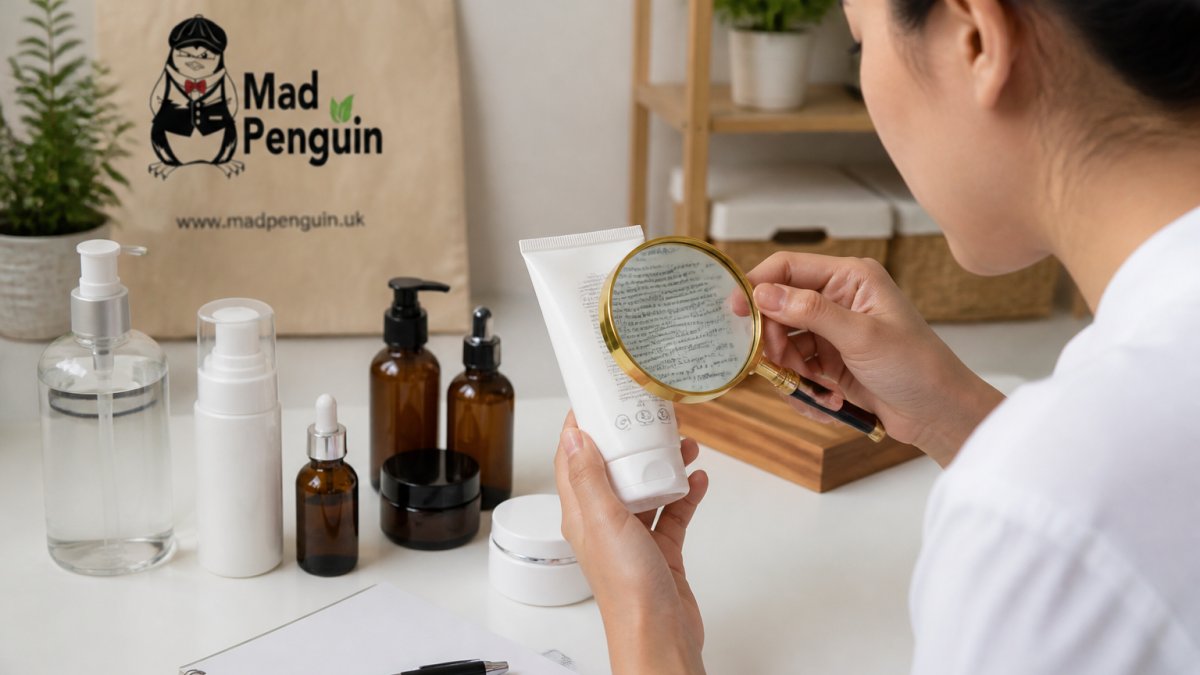
Misleading claims often use vague language that mimics certification without actually being certified. Phrases like "clean," "natural," "eco-friendly," or "non-toxic" sound official but carry no third-party verification.
Read the fine print on product packaging. Legitimate certifications include the certifier's name and often a website or reference number. If a seal just says "certified" without specifying who certified it, that's a red flag.
Another verification method: check ingredient lists against the certification's actual standards. When evaluating products from Mad Penguin Skincare, such as the L.A. Hibiscus natural face scrub or the Goodbye Puffy Eyes Natural Antioxidant Eye Cream, you can verify the certifications listed on each product page against the certifier's own database.
Greenwashing happens when brands emphasize one certified attribute while hiding others. A product might be cruelty-free (real certification) but not organic (no mention of testing). This isn't necessarily deceptive, it's just selective emphasis.
Choosing skincare based on verified certifications rather than brand claims puts you in control of your purchasing decisions. The certifications we've covered, EWG Verified, organic standards, vegan certification, cruelty-free verification, and Leaping Bunny, each measure different aspects of clean beauty.
At Mad Penguin Skincare, we believe transparency about ingredients and sourcing builds trust more effectively than marketing claims. Check product pages at Mad Penguin Skincare's website to see which certifications our formulations carry and what each one verifies.
Frequently Asked Questions
What does EWG Verified mean for beauty products?
EWG Verified means the Environmental Working Group has reviewed product ingredients and determined they meet safety standards, excluding chemicals the EWG considers concerning. The certification focuses on ingredient transparency and safety assessment, helping consumers identify products formulated without many synthetic additives. Products earning this seal have undergone independent evaluation, providing third-party verification that goes beyond manufacturer claims alone.
What is the difference between vegan and cruelty-free beauty certifications?
Vegan beauty certification confirms a product contains no animal-derived ingredients like beeswax, lanolin, or carmine. Cruelty-free certification verifies that neither the finished product nor its ingredients were tested on animals. A product can be vegan without being cruelty-free, or cruelty-free without being vegan. Both certifications address different ethical concerns, so checking for both seals matters if animal welfare is important to you.
How can I verify a beauty product's certification?
Look for the certification logo on the product label or packaging, then visit the certifying organization's official website to confirm the brand and product are listed. Search the brand name in the certification database directly rather than trusting labels alone, as some companies misuse certification language without holding actual credentials. Legitimate certifications display renewal dates and audit information, showing the verification is current and ongoing.
Do clean beauty certifications guarantee that a product is safe?
Certifications significantly reduce risk by verifying ingredients against safety standards and restricting harmful chemicals, but they do not guarantee zero reactions. Individual skin sensitivity varies, and certified products may still trigger irritation in people with specific allergies or sensitivities. Certifications verify manufacturing practices and ingredient disclosure, which supports safety assessment, but personal patch testing remains important for anyone with reactive skin.
Which clean beauty certifications should I look for?
Priority certifications include EWG Verified for ingredient safety, USDA Organic for agricultural ingredients, Leaping Bunny for cruelty-free verification, and vegan seals if animal-derived ingredients concern you. The most relevant certification depends on your priorities: if ingredient transparency matters most, EWG Verified is valuable; if sustainability is central, look for organic certification; if animal welfare drives your choice, seek Leaping Bunny or vegan seals.
Are clean beauty certifications regulated by the FDA?
The FDA does not regulate most beauty certifications directly. Third-party organizations like the Environmental Working Group, Leaping Bunny International, and USDA set and enforce their own standards independently. This means certification rigor varies by organization. The FDA oversees cosmetics manufacturing and ingredient safety broadly, but the certification seals themselves are managed by private bodies, so researching each certifying organization's standards helps you understand what each seal actually verifies.