

Table of Contents
- Why Synthetic Fragrances Matter: Understanding the Shift
- How to Identify Synthetic Fragrance in Skincare Products
- Essential Oils and Botanical Extracts: Nature's Fragrance Solution
- Why Clean Beauty Is Better for Your Skin
- The Natural Allergen Paradox: What You Need to Know
- Longevity and Performance: Natural vs. Synthetic Fragrances
- Making the Switch: Practical Tips for Transitioning
- Frequently Asked Questions
Last Updated: September 27, 2026
Why Synthetic Fragrances Matter: Understanding the Shift
The skincare industry is experiencing a fundamental reckoning. For decades, synthetic fragrances dominated formulations because they were cheap, stable, and consistent. But consumers are waking up to what's actually in their bottles, and many don't like what they find.
Synthetic fragrances are chemically engineered scent compounds created in laboratories to replicate natural aromas or create entirely new ones. They're not inherently "bad," but they come with real trade-offs: potential irritation, environmental persistence, and a growing body of research suggesting some synthetic musks and phthalates may disrupt endocrine function. The shift toward natural alternatives synthetic fragrances isn't just marketing hype. It reflects a genuine desire for transparency and cleaner formulations.
At Mad Penguin Skincare, we've watched this transition unfold. The brands winning right now aren't the ones making excuses for their ingredient lists, they're the ones being radically honest about what goes into every jar. That's why understanding your fragrance options matters. You're not just choosing a scent. You're choosing what your skin absorbs, what lingers in your home, and what impact your choices have downstream.
How to Identify Synthetic Fragrance in Skincare Products
Reading a skincare label is like decoding a foreign language if you don't know what to look for. The good news: identifying synthetic fragrance isn't complicated once you understand the tells.
The easiest red flag is the word "fragrance" or "parfum" on the ingredient list. By law, manufacturers don't have to disclose what's inside that fragrance blend, it could be 50 different chemicals or just a few. If a brand won't tell you what creates the scent, that's a sign they're using a synthetic fragrance blend.
Look for ingredient lists that include chemical-sounding names like "synthetic musk," "galaxolide," or "polycyclic musks." These are petroleum-derived fragrance compounds designed to last longer on skin and in the environment. Unlike essential oils that break down relatively quickly, synthetic musks can persist in your body and the ecosystem for months.
Another clue: price point. Genuine essential oils and botanical extracts cost more than synthetic alternatives. If a product claims to be "natural" but costs a fraction of comparable options, the fragrance is likely synthetic, or the botanical content is minimal. Real natural alternatives to synthetic fragrances carry a real cost.
Check for certifications too. Brands committed to clean formulations often pursue third-party testing through organizations that verify ingredient claims. If a brand makes natural claims but has no certifications backing them up, ask why. Transparency matters.
Essential Oils and Botanical Extracts: Nature's Fragrance Solution
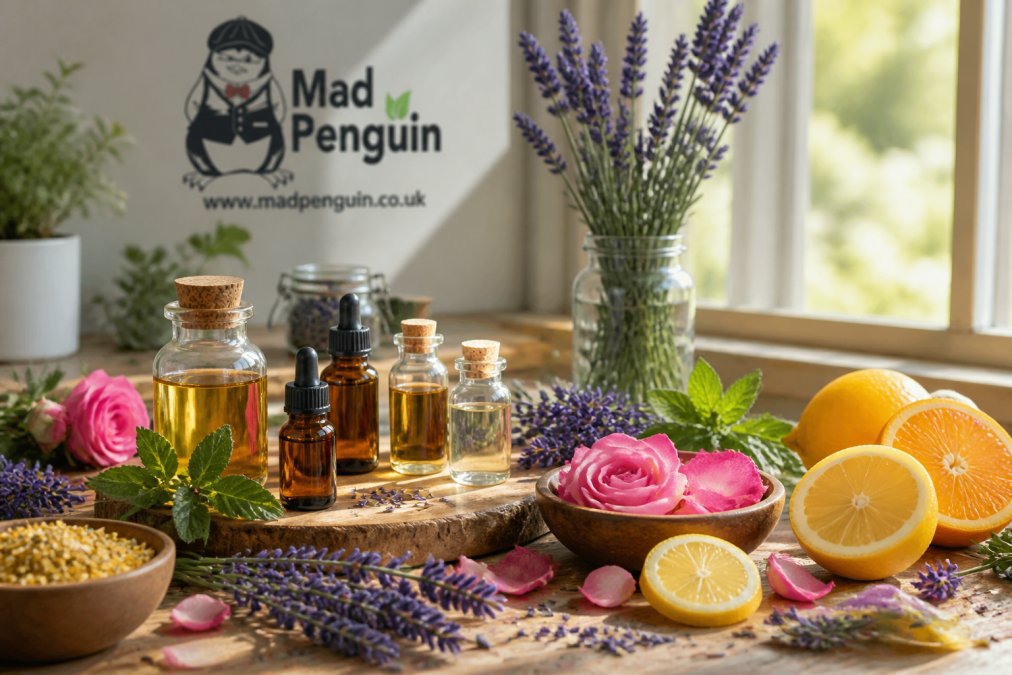
Essential oils are the concentrated aromatic compounds extracted from plants, think of them as nature's fragrance concentrate. Unlike synthetic fragrances, they come from actual botanical sources: lavender flowers, lemon peels, rose petals, sandalwood bark. This matters because your skin recognizes these compounds. They don't trigger the same irritation response that some synthetic fragrance molecules do.
Botanical extracts take this further. Instead of just the fragrant oil, you get the plant's full spectrum of beneficial compounds. Rose extract, for example, brings not just scent but also antioxidants and skin-soothing properties. Hibiscus extract adds fragrance plus natural alpha-hydroxy acids that gently exfoliate. You're getting fragrance and function in one ingredient.
Popular Essential Oils for Skincare
Lavender is the workhorse of natural skincare fragrance. It smells clean and calming, but more importantly, it's non-irritating for most skin types and carries mild antibacterial properties. Many people find it grounding rather than cloying.
Linalool (the main component of lavender and other plants) is one of the most versatile fragrance molecules in skincare. It's naturally occurring, generally well-tolerated, and gives you that fresh, slightly floral scent without the synthetic heaviness.
Limonene from citrus oils brings brightness and a natural mood-boosting quality. It's volatile, meaning it evaporates quickly, so citrus-based fragrances won't last as long as synthetic musks, but that's actually a feature for sensitive skin. Less persistence means less time for irritation to develop.
Oakmoss extract is the sophisticated choice. It's earthy, complex, and adds depth to formulations. It's been used in fine fragrance for centuries because it actually works. Fair warning: some people are sensitive to oakmoss, so patch test first.
Plant-Based Botanical Extracts
Rose extract delivers both fragrance and antioxidant power. It's calming for irritated skin and adds a luxurious element to formulations without the synthetic rose perfume that can feel artificial.
Hibiscus extract is underrated. It smells subtly floral and fruity, brings natural acids for gentle exfoliation, and adds a touch of elegance to skincare routines. Look for it in products targeting dull or aging skin.
Coconut oil isn't just a moisturizer, its natural aroma is warm and comforting. In formulations, it provides fragrance alongside serious hydration benefits, making it a smart choice for dry or compromised skin barriers.
Beeswax has a naturally sweet, honey-like scent that works beautifully in balms and creams. It adds fragrance plus protective and moisturizing properties, so you're never just paying for smell.
These natural alternatives synthetic fragrances work because they bring multiple benefits to your skin at once. You're not just smelling something pleasant; you're using ingredients that actively support skin health.
Why Clean Beauty Is Better for Your Skin
Clean beauty isn't a trend. It's a recognition that what you put on your skin matters, and that less toxic load means healthier skin over time.
Synthetic fragrances, particularly those containing phthalates (chemicals that make scents stick around longer), can accumulate in your body. Your skin is permeable. What you apply topically doesn't just sit on the surface; it absorbs into your bloodstream. Over months and years, repeated exposure to synthetic fragrance compounds adds up.
Clean formulations, those built around natural alternatives to synthetic fragrances, reduce that toxic load. Your skin doesn't have to work as hard to process irritating molecules. That means less inflammation, fewer breakouts, and a stronger skin barrier over time. For people with sensitive skin, the difference is dramatic.
Beyond personal health, clean beauty matters environmentally. Synthetic fragrances don't break down easily in water systems. They persist in rivers, soil, and eventually in fish and other wildlife. Natural botanical fragrances biodegrade. They return to the ecosystem without leaving a toxic footprint.
Mad Penguin Skincare built its entire line around this principle: you shouldn't have to choose between effective skincare and clean ingredients. Products like the Goodbye Puffy Eyes Natural Antioxidant Eye Cream use botanical extracts for fragrance and function simultaneously. The California Ocean Mineral Anti-Aging Moisturizer delivers hydration and natural scent without synthetic fragrance compounds. Even the L.A. Hibiscus Natural Face Scrub uses the plant extract itself, not a synthetic hibiscus fragrance, so you get both exfoliation and authentic scent.
The Natural Allergen Paradox: What You Need to Know
Here's where natural fragrance gets tricky: just because something is natural doesn't mean it can't trigger allergic reactions. In fact, some people find natural fragrances more irritating than synthetics.
Essential oils are potent.
Longevity and Performance: Natural vs. Synthetic Fragrances
This is the honest trade-off: synthetic fragrances last longer. That's not a flaw in their design; it's the whole point.
Making the Switch: Practical Tips for Transitioning
If you've been using synthetic fragrance skincare and want to shift toward natural alternatives, don't expect an instant switch. Your nose is calibrated to synthetic scents. Real botanical fragrances will smell different, sometimes less "perfumy," sometimes more subtle.
| Transition Step | Timeline | What to Expect |
|---|---|---|
| Introduce first natural fragrance product | Week 1-2 | Scent may feel subtle; monitor for reactions |
| Add second product with botanical fragrance | Week 3-4 | Nose adjusting; scent complexity becomes apparent |
| Replace third product | Week 5-6 | Synthetic fragrances start feeling artificial |
| Full transition complete | Week 7-8 | Natural fragrance feels normal; skin barrier stabilizes |
Frequently Asked Questions
What are the healthiest natural alternatives to synthetic fragrances?
Essential oils, botanical extracts, and plant-based ingredients offer the safest natural alternatives to synthetic fragrances. Options like lavender, rose, chamomile, and citrus oils provide fragrance without phthalates or synthetic musk compounds. Products formulated with these ingredients, such as those from Mad Penguin Skincare, deliver both scent and skincare benefits while reducing your exposure to volatile organic compounds and endocrine disruptors commonly found in synthetic formulations.
How do I identify synthetic fragrance in skincare products?
Check ingredient labels for terms like 'fragrance,' 'parfum,' or 'synthetic fragrance.' These catch-all terms can hide dozens of undisclosed chemicals. Avoid products listing synthetic musk, phthalates, or parabens. Look instead for specific botanical names like 'lavandula angustifolia' (lavender) or 'rosa damascena' (rose). Transparent brands like Mad Penguin Skincare list every fragrance source explicitly, making it easy to verify you're getting genuine plant-based scents rather than synthetic alternatives.
Are synthetic fragrances unhealthy for your skin?
Synthetic fragrances can trigger sensitivity, allergies, and skin irritation, especially for those with reactive skin. Many contain phthalates and volatile organic compounds linked to endocrine disruption and respiratory issues. While individual reactions vary, fragrance sensitivity affects a significant portion of the population. Switching to natural alternatives reduces your toxic load and minimizes the risk of adverse reactions, making clean beauty formulations a smarter choice for long-term skin health.
Why is clean beauty better than products with synthetic fragrances?
Clean beauty eliminates unnecessary synthetic chemicals, phthalates, and endocrine disruptors while delivering real skincare results. Natural formulations work with your skin rather than masking concerns with artificial scents. They're gentler on sensitive skin, more sustainable, and align with transparency standards that hold brands accountable. Products like Mad Penguin Skincare prove you don't sacrifice performance, clean ingredients hydrate, nourish, and address aging concerns effectively while respecting your body's chemistry.