

Last Updated: November 19, 2026
Quick Summary
An anti-aging routine for dry sensitive skin should focus on four gentle steps: cleanse, hydrate and treat, moisturize, and protect. Introduce one active at a time, every other night, and stop if stinging persists beyond a few minutes. Barrier support comes first and actives second, so fewer, gentler steps win.
- Use a mild, fragrance-free cleanser with a pH around 5.5 and lukewarm water.
- Apply moisturizer to slightly damp skin within a minute of your serum.
- Choose a broad-spectrum, fragrance-free sunscreen with SPF 30 or higher every morning.
- Start retinol at 0.1% to 0.3% once weekly at night and buffer with moisturizer.
- Give any routine at least several weeks before judging results.
Table of Contents
- Why Dry Sensitive Skin Needs a Different Anti-Aging Routine
- What You'll Need: Core Steps and Product Types
- Step 1: Cleanse Gently Without Stripping
- Step 2: Hydrate and Treat with Gentle Actives
- Step 3: Moisturize to Prevent Moisture Loss
- Step 4: Protect with Daily Broad-Spectrum Sunscreen
- Building a Dermatologist-Recommended Skin Care Routine for Dry Sensitive Skin
- How to Introduce Gentle Retinol for Sensitive Skin
- Frequently Asked Questions
Why Dry Sensitive Skin Needs a Different Anti-Aging Routine
An anti-aging routine for dry sensitive skin works differently from a standard one because the usual "more actives, faster results" approach backfires. When your skin barrier is compromised, strong acids and high-strength retinoids trigger redness, flaking, and stinging instead of smoother texture.
That's the core tension in this guide from Mad Penguin Skincare: anti-aging ingredients only deliver results when your skin can tolerate them. A 2026 survey of dermatologists found that only 12.5% actively recommended structured multi-step routines, with most favoring simpler three-step regimens, according to dermatologists' perspectives on skincare routine trends. Fewer, gentler steps win.
Dryness and sensitivity change the order of priorities. Barrier support comes first, actives second. If you'd like a deeper look at choosing products that won't trigger reactions, our guide to the best non-toxic skincare for sensitive skin walks through ingredient screening step by step.
What You'll Need: Core Steps and Product Types
Four steps form the backbone of any gentle anti-aging routine: cleanse, hydrate and treat, moisturize, and protect. Each step has a clear job, and skipping one weakens the others.
Here's the framework we recommend:
| Step | Product Type | Job | Frequency |
|---|---|---|---|
| 1 | Gentle cleanser | Remove buildup without stripping | AM and PM |
| 2 | Hydrating serum | Draw in water, support the barrier | AM and PM |
| 3 | Moisturizer | Seal in moisture, soften fine lines | AM and PM |
| 4 | Broad-spectrum sunscreen | Prevent UV-driven aging | Every morning |
A published routine guide recommends moisturizing immediately after cleansing and at least twice a day, per Cosmoderma's routine skin-care advice. That timing matters more than product count.
Step 1: Cleanse Gently Without Stripping
Cleansing should leave skin comfortable, never tight. A mild, fragrance-free formula removes sunscreen and buildup while leaving the barrier intact. For dry sensitive skin, the wrong cleanser can undo the rest of your routine before it starts.
What to look for: Cream or gel cleansers with soothing botanicals and without harsh surfactants. Avoid foaming formulas built on sodium lauryl sulfate (SLS) or high concentrations of cocamidopropyl betaine, which can strip lipids. Look for labels that say "fragrance-free," "dye-free," and "for sensitive skin." A pH-balanced formula (around 5.5) helps maintain the skin's acid mantle.
What to avoid: Cleansers with added fragrance, essential oils (like lavender or citrus), alcohol denat, or exfoliating beads. These are common triggers for contact dermatitis and can worsen dryness.
How to cleanse: Use lukewarm water, not hot. Apply cleanser with fingertips and massage gently for 30 to 60 seconds. Rinse thoroughly and pat dry with a soft towel instead of rubbing. Limit cleansing to twice daily; if your skin feels tight after cleansing, you may be over-cleansing or using a formula that is too harsh.
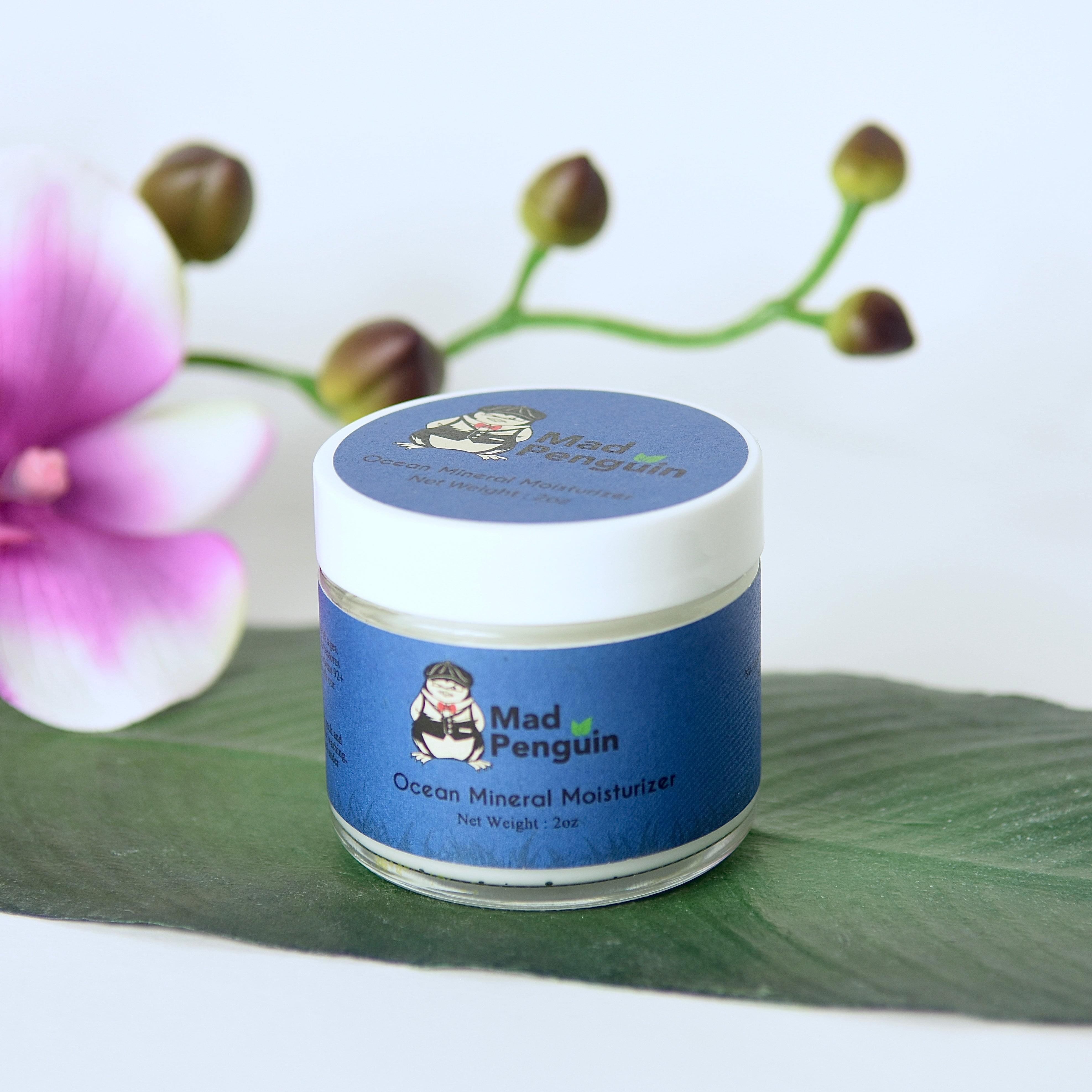
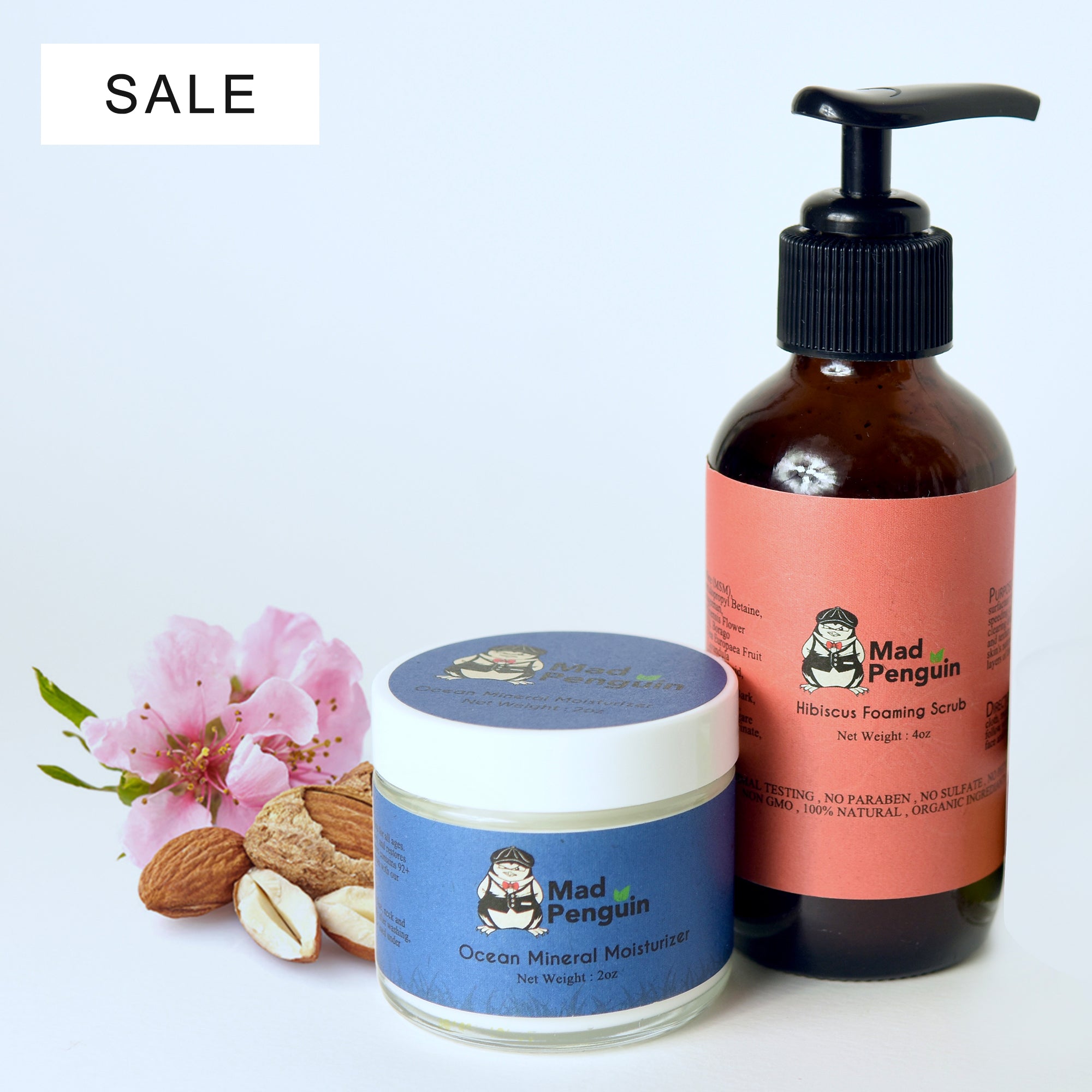
Our Hibiscus Face Wash and Scrub fits this step: it washes away toxins and leaves skin feeling soft, making it a practical choice for dry skin that reacts to stripping cleansers. For a complete gentle routine, pair it with our Ocean Mineral Moisturizer and Soft Skin Starter Kit.
Watch out: over-cleansing, more than twice daily or with hot water, is one of the fastest ways to trigger flaking and redness. If you wear heavy sunscreen or makeup, consider a gentle oil cleanser first, followed by your regular cleanser, to avoid repeated harsh washing.
Step 2: Hydrate and Treat with Gentle Actives
Hydration and treatment share a step because dry skin needs water before actives can work. A hydrating serum with humectants like hyaluronic acid pulls moisture into the skin, easing the tight feeling that makes fine lines look deeper.
A study by S. Kim and colleagues evaluated a regimen of a mild cleanser followed by a glycerin-rich moisturizing lotion, as described in research on gentle skincare regimens. The takeaway for sensitive skin: simple, humectant-rich formulas are the sensible foundation.
Introduce one active at a time, every other night, and stop if stinging persists beyond a few minutes. This is where most routines fail.
Step 3: Moisturize to Prevent Moisture Loss
Moisturizer is the step that protects everything you did before it. It seals in hydration and supports barrier repair, which is why it matters most for dry, sensitive skin.
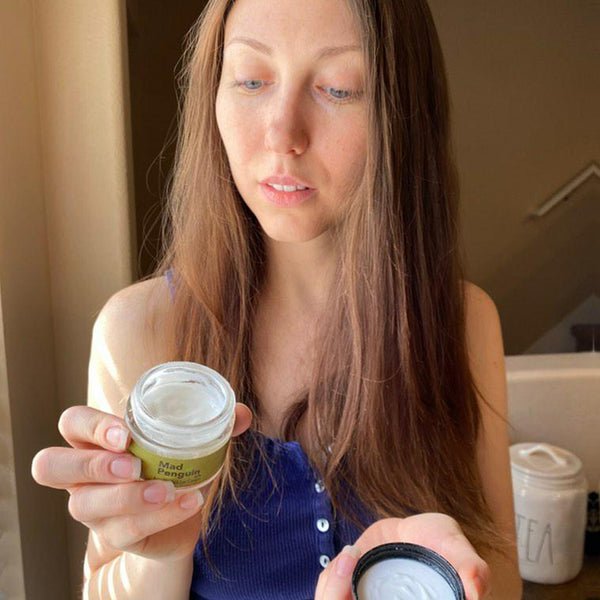
Our Ocean Mineral Moisturizer is designed for exactly this job. The lightweight yet nourishing formula is crafted to be gentle on skin, free from unnecessary harsh chemicals, and with consistent daily use it helps improve hydration, smooth the look of fine lines, and support firmer, healthier-looking skin. At $33, it's the workhorse of the routine.
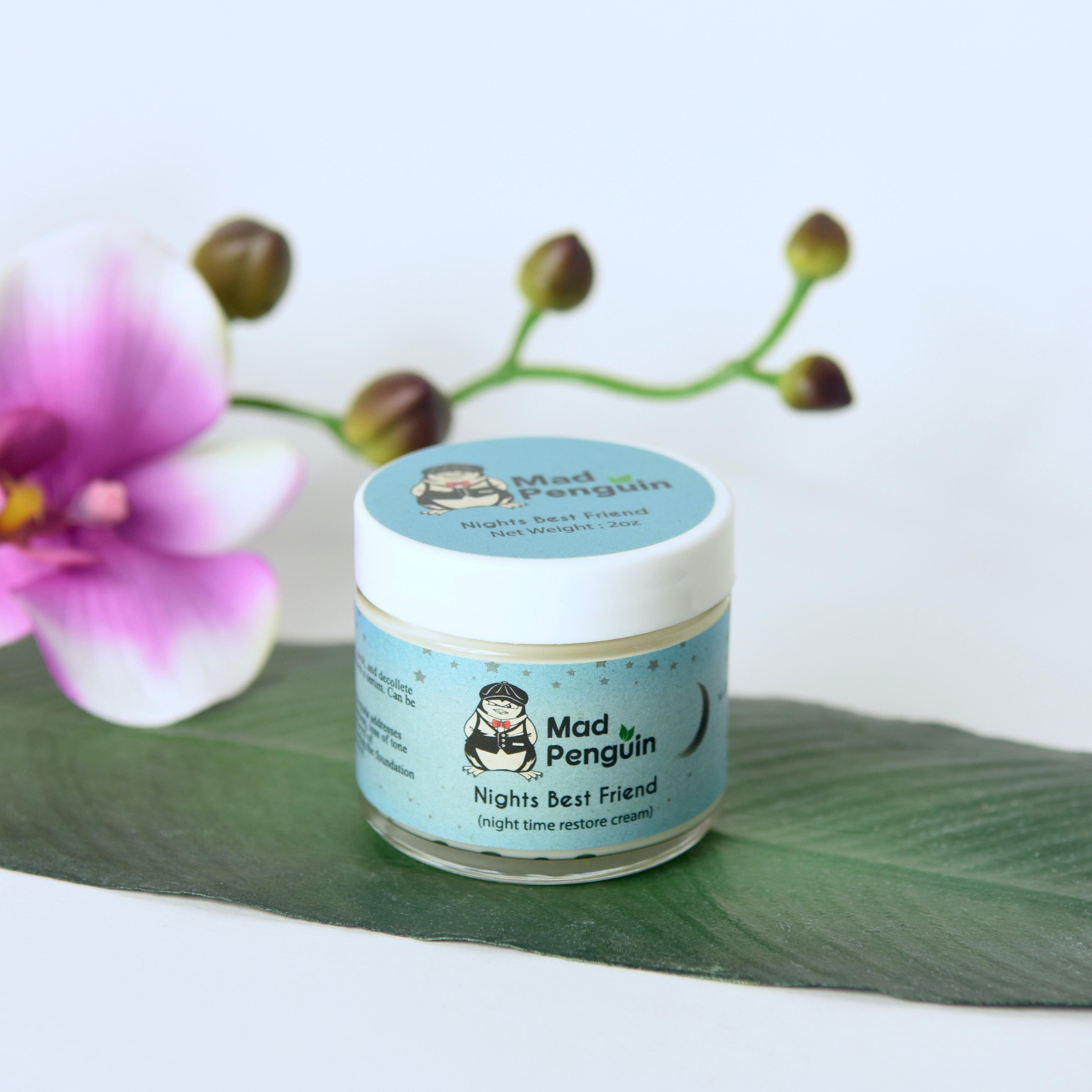
Apply to slightly damp skin within a minute of your serum. That locks in moisture retention rather than sealing a dry surface. At night, Night's Best Friend Overnight Repair Cream ($35.00) is a rich option for overnight use.
Step 4: Protect with Daily Broad-Spectrum Sunscreen
Sunscreen is an important anti-aging step, and it's essential for sensitive skin. UV exposure drives fine lines, dark spots, and uneven skin texture, and it worsens barrier damage.
Choose a broad-spectrum sunscreen with SPF 30 or higher, fragrance-free, and formulated for sensitive skin. Mineral filters like zinc oxide are often chosen for reactive skin. Apply every morning, even indoors near windows, and reapply with sun exposure.
A review in the Journal of Clinical and Aesthetic Dermatology discussed preventive anti-aging strategies available to dermatologists, per the review of anti-aging strategies. Daily sun protection sits at the center of that preventive approach.
Building a Dermatologist-Recommended Skin Care Routine for Dry Sensitive Skin
A dermatologist-recommended skin care routine for dry sensitive skin is simple, consistent, and built around barrier support. Three or four steps done daily beat ten steps done sporadically.
If you want the full set assembled for you, our Soft Skin Starter Kit bundles the core cleanse-and-moisturize steps for $48. The complete Healthy Skin Routine at $96 adds the eye cream and night cream for a full AM/PM system.
Consistency is the variable most people underestimate. Give any routine at least several weeks before judging results.
How to Introduce Gentle Retinol for Sensitive Skin
Gentle retinol for sensitive skin starts low, slow, and buffered. Retinol supports cell turnover and softens fine lines, but sensitive skin needs a cautious entry plan that goes beyond a simple checklist. The following stepwise protocol is designed to minimize irritation while still delivering anti-aging benefits over time.
Step 1: Patch test before you commit. Apply a small amount of the retinol product to your inner forearm or behind your ear for three consecutive nights. If you see redness, itching, or flaking, do not proceed to the face. Wait until the reaction clears, then consider a lower-strength formula or a different retinoid alternative like bakuchiol.
Step 2: Start with the lowest strength, once per week at night. Look for retinol concentrations of 0.1% to 0.3% or formulas labeled "gentle" or "for sensitive skin." Apply a pea-sized amount to dry skin after cleansing. Avoid the eye area and corners of the nose and mouth, where skin is thinnest.
Step 3: Buffer with moisturizer. Apply a layer of your regular moisturizer first, wait a few minutes, then apply retinol on top. This reduces penetration speed and lowers irritation risk. Alternatively, mix a drop of retinol with your moisturizer before applying. Our Ocean Mineral Moisturizer works well as a buffer because it is fragrance-free and barrier-supportive.
Step 4: Escalate frequency slowly. After two weeks with no reaction, increase to twice weekly. After another two weeks, you can try three times weekly if skin remains calm. Most sensitive-skin users never need to exceed three or four nights per week to see benefits.
Step 5: Know when to stop. Pause retinol entirely if you experience persistent redness, burning, or flaking that lasts more than a few days. Restart at the previous lower frequency once skin returns to baseline. If irritation recurs, discontinue and consult a dermatologist.
Step 6: Pair with daily sunscreen. Retinoids increase sun sensitivity, so daily broad-spectrum SPF 30 or higher is non-negotiable. Apply sunscreen every morning, even on cloudy days.
Watch out: layering retinol with exfoliating acids (AHAs, BHAs) in the same routine is a common cause of barrier damage. Keep them on separate nights, or avoid acids entirely while your skin adjusts to retinol.
If you're nervous about starting, our guide to the benefits of retinol serum explains what to expect and how to use it gently. For a complete gentle anti-aging system, consider our Soft Skin Starter Kit or the Healthy Skin Routine.
Frequently Asked Questions
What is a good anti-aging skin care routine for sensitive skin?
A good anti-aging routine for sensitive skin keeps steps minimal and gentle. Cleanse with a mild, fragrance-free cleanser, apply a hydrating serum with ingredients like hyaluronic acid, moisturize to prevent moisture loss, and finish with broad-spectrum sunscreen every morning. At night, use a richer moisturizer and introduce gentle retinol only after your skin is stable. Avoid harsh scrubs, high concentrations of active ingredients, and products with added fragrance. Consistency matters more than having many steps.
How can I introduce retinol if I have dry, sensitive skin?
Start with a gentle retinol formulated for sensitive skin and apply it once a week at night. Use a pea-sized amount over moisturized skin, and avoid combining it with other active ingredients like acids on the same night. If you notice redness, flaking, or irritation, pause for a few days and focus on barrier repair with a gentle moisturizer. After two to three weeks without irritation, add a second night. Simpler regimens are often a good starting point for sensitive skin, so keep your retinol introduction slow and simple.
Should I use moisturizer before or after an anti-aging serum?
Apply your anti-aging serum first, then moisturizer. Serums are lighter and formulated with smaller molecules that absorb more easily into clean skin. Moisturizer goes on top to seal in hydration and prevent moisture loss. If your serum is water-based, wait about a minute before applying moisturizer. For dry sensitive skin, a moisturizer with barrier-supporting ingredients helps reduce the chance that the serum will cause irritation. In the morning, follow with sunscreen as your final step.
How long does it take to see results from an anti-aging skincare routine?
Most people see improved hydration and skin texture within two to four weeks of consistent use. Fine lines and wrinkles may take eight to twelve weeks to show visible improvement, and dark spots can take longer. A published routine guide recommends moisturizing immediately after cleansing and at least twice a day to support results. Because dry sensitive skin can react to too many changes at once, introduce one new product at a time and give it at least four weeks before judging results.
