

Last Updated: November 13, 2026
Quick Summary
Organic face cream is worth it if your skin is dry, reactive, or sensitive to fragrance, since organic formulas tend to use more plant-based emollients and fewer synthetic fragrance components. If your skin is oily and tolerant, a lighter conventional gel may deliver the same hydration for less money.
- Compare price per ounce, not jar size, because a $33 jar lasting three months can cost less per day than a $12 jar replaced monthly.
- The FDA does not define or regulate the term organic for cosmetics, so a named certification is the claim you can actually check.
- Ingredients are listed by weight, so the first five or six entries show what the formula is mostly made of.
- Patch test any new cream on the inner forearm for 24 hours before applying it to your face.
- Track one jar for a full use cycle to get a real cost per week and a real result to compare.
Table of Contents
- The Real Cost of Organic Face Cream Versus Conventional Formulas
- What Organic Certification on a Face Cream Label Actually Means
- Is Organic Face Cream Worth It for Dry Skin?
- Is Organic Face Cream Worth It for Oily Skin?
- Is Organic Face Cream Worth It for Acne-Prone Skin?
- The Best Organic Face Moisturizer for Aging Skin
- Irritation, Allergies, and Fragrance Risks in Botanical Formulas
- Choosing Your Organic Face Cream Routine
- Frequently Asked Questions
The Real Cost of Organic Face Cream Versus Conventional Formulas
Is organic face cream worth it? For many shoppers, the honest answer comes down to what you pay per ounce and what that extra money actually buys. A U.S. survey reported by Market.us skincare statistics found that 59% of respondents preferred skincare made from natural or organic ingredients. Yet preference and value are two different things. This guide from Mad Penguin Skincare breaks down the real math, the label claims, and which skin types get the most from an organic formula.
What Drives the Price Difference
Three things push organic face cream above drugstore pricing: ingredient sourcing, smaller production runs, and certification costs. Botanical oils and plant extracts cost more raw than synthetic emollients. Brands producing in smaller batches also spread fixed costs across fewer jars. That premium does not automatically mean better results, but it does explain the shelf price.
A second factor is concentration. A conventional cream can lean on inexpensive fillers and a small amount of active ingredient, while an organic formula often lists carrier oils and butters near the top of the ingredient list. That changes both the cost to make the product and the feel on your skin. Neither approach is automatically superior, but the two are not priced the same way.
Price Per Ounce and What You Actually Get
Price per ounce is the only fair comparison, because jar sizes vary widely. A $33 jar that lasts three months often costs less per day than a $12 jar you replace monthly. Pay for the formula and the concentration of active botanicals, not the label alone.
To run the math yourself, divide the jar price by the net weight in ounces. A 1.7-ounce jar at $33.00 works out to about $19.41 per ounce. A 2-ounce jar at $35.00 works out to $17.50 per ounce. A larger set can lower the effective cost further because the per-product price drops even though the upfront total is higher. The number that matters is cost per ounce multiplied by how many ounces you actually use in a month, not the sticker price on the shelf.
Watch out: a low price per ounce can hide a thin formula that you need to reapply several times a day, which raises your real monthly cost. Compare how long a jar actually lasts, not just how big it is.
The Cost-Versus-Benefit Verdict
The keyword asks whether organic face cream is worth it, so here is the direct comparison most roundups skip. Organic formulas tend to cost more per ounce, but they also tend to use fewer synthetic fragrance components and more plant-based emollients. If your skin is dry, reactive, or sensitive to fragrance, that trade can pay off because you are buying ingredients that support the moisture barrier rather than a scent profile. If your skin is oily and tolerant, a lighter conventional gel may deliver the same hydration for less money.
A practical way to decide is to track one jar for a full use cycle. Note how many weeks it lasts, whether you needed a second product to compensate, and whether your skin felt calmer or more irritated. That gives you a real cost per week and a real result to compare against the next product you try. If you want a deeper breakdown of whether higher prices reflect real value, our guide on whether expensive skincare is worth the cost walks through it step by step.
What Organic Certification on a Face Cream Label Actually Means
Here is the part most shoppers get wrong: "organic" on a cosmetic label has no single legal definition. According to the USDA Agricultural Marketing Service, the FDA does not define or regulate the term "organic" as it applies to cosmetics, body care, or personal care products. That means a jar can say "organic" with very little oversight behind the word.
What Recognized Certifications Do and Do Not Verify
A named certification is a claim you can check against the certifier's own published criteria.
Other seals work differently. Some certify a percentage of organic content, some certify that a product is free of a specific list of ingredients, and some are brand-run programs with their own criteria. The practical takeaway is that a seal tells you what that certifier checked. It does not tell you whether the cream will hydrate your skin, absorb well, or suit your skin type.
How to Read a Label Without a Seal
When a product uses organic language but carries no certification, the ingredient list is your best tool. Ingredients are listed in descending order by weight, so the first five or six entries tell you what the formula is mostly made of. If a plant oil or butter appears near the top, the formula is likely rich. If water or a lightweight solvent leads and the botanical appears near the bottom, the organic content is probably small.
Watch out: front-label phrases like "made with organic ingredients" or "botanical blend" are not standardized, so they can describe a trace amount. Look for a certifier name and a percentage if the brand wants you to trust the claim.
If you want to decode the seals properly, our guide to clean beauty certifications to look for explains which ones carry weight. At Mad Penguin Skincare, our formulas are built to be read: every product page lists the full ingredient list so you can compare what is actually in the jar before you buy.
Is Organic Face Cream Worth It for Dry Skin?
For dry skin, a nourishing formula with rich plant oils and butters can be a practical choice, since these ingredients help hydrate and support the skin's moisture barrier.
The trade-off is texture. Some organic creams feel heavier going on, so apply to slightly damp skin and press rather than rub. For mature, dry skin specifically, our clean skincare guide for mature dry skin goes deeper on layering.
Is Organic Face Cream Worth It for Oily Skin?
Oily skin can absolutely use organic face cream, but the formula matters more than the label. Heavy butters and rich oils can feel greasy on an oily T-zone, so look for lighter botanical oils and a cream that absorbs quickly. Skipping moisturizer entirely is a common mistake; dehydrated skin often produces more oil to compensate.
A lightweight organic moisturizer that sinks in fast keeps skin comfortable without the shine. Check texture and absorption before you commit to a full jar.
Is Organic Face Cream Worth It for Acne-Prone Skin?
For acne-prone skin, organic face cream is worth it only if you read the ingredient list closely. Natural does not mean non-comedogenic, and some botanical oils can clog pores or trigger breakouts. A 2023 study cited by the Cleveland Clinic found that nearly all products labeled "all-natural" contained allergens linked to contact dermatitis.
Patch test first, and choose lighter, non-greasy formulas. Our article on why clean beauty products cause breakouts explains the common culprits so you can avoid them.
The Best Organic Face Moisturizer for Aging Skin
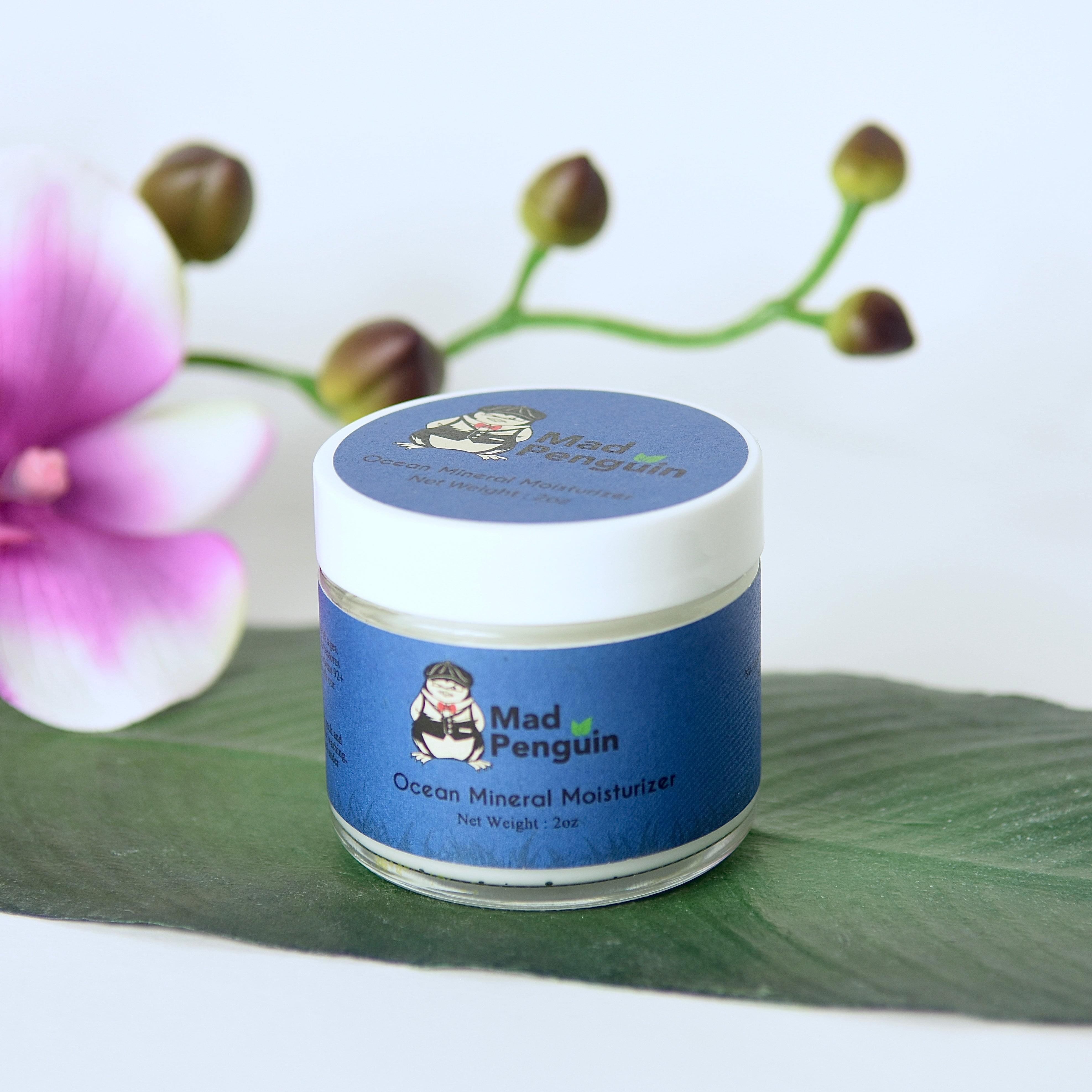
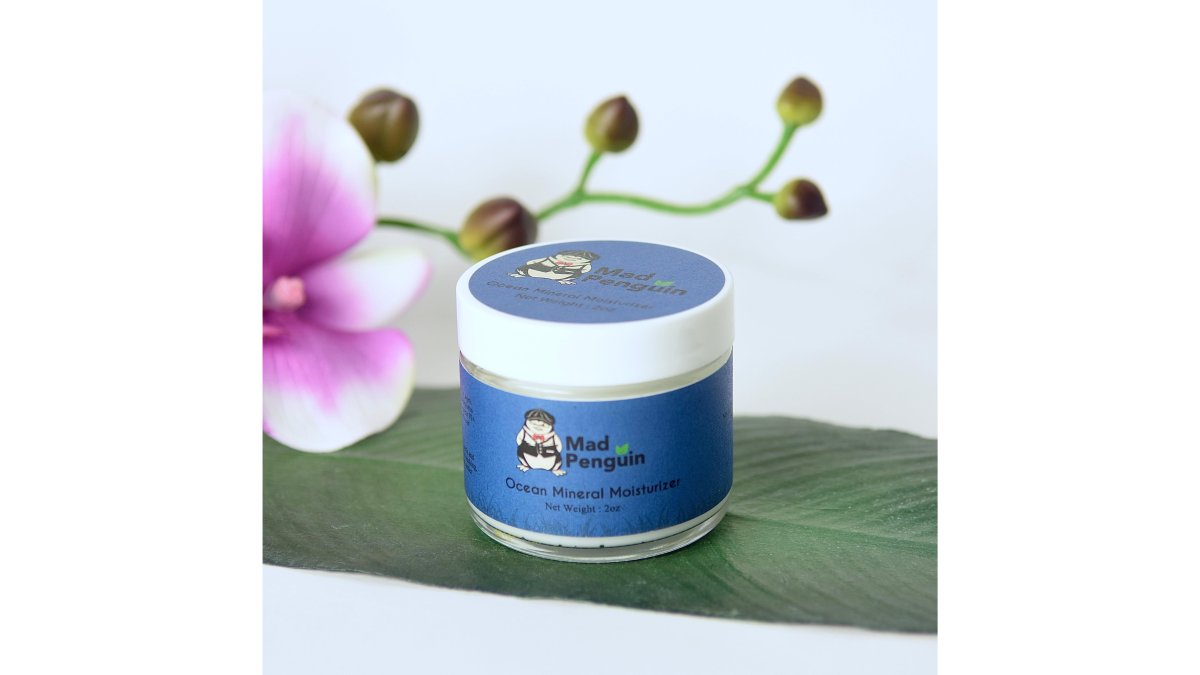
The best organic face moisturizer for aging skin is one that hydrates deeply while helping soften the look of fine lines. Our pick is the California Ocean Mineral Anti-Aging Moisturizer, a lightweight yet nourishing cream infused with ocean minerals. It is designed to improve hydration, smooth the look of fine lines, and support firmer, healthier-looking skin with daily use.
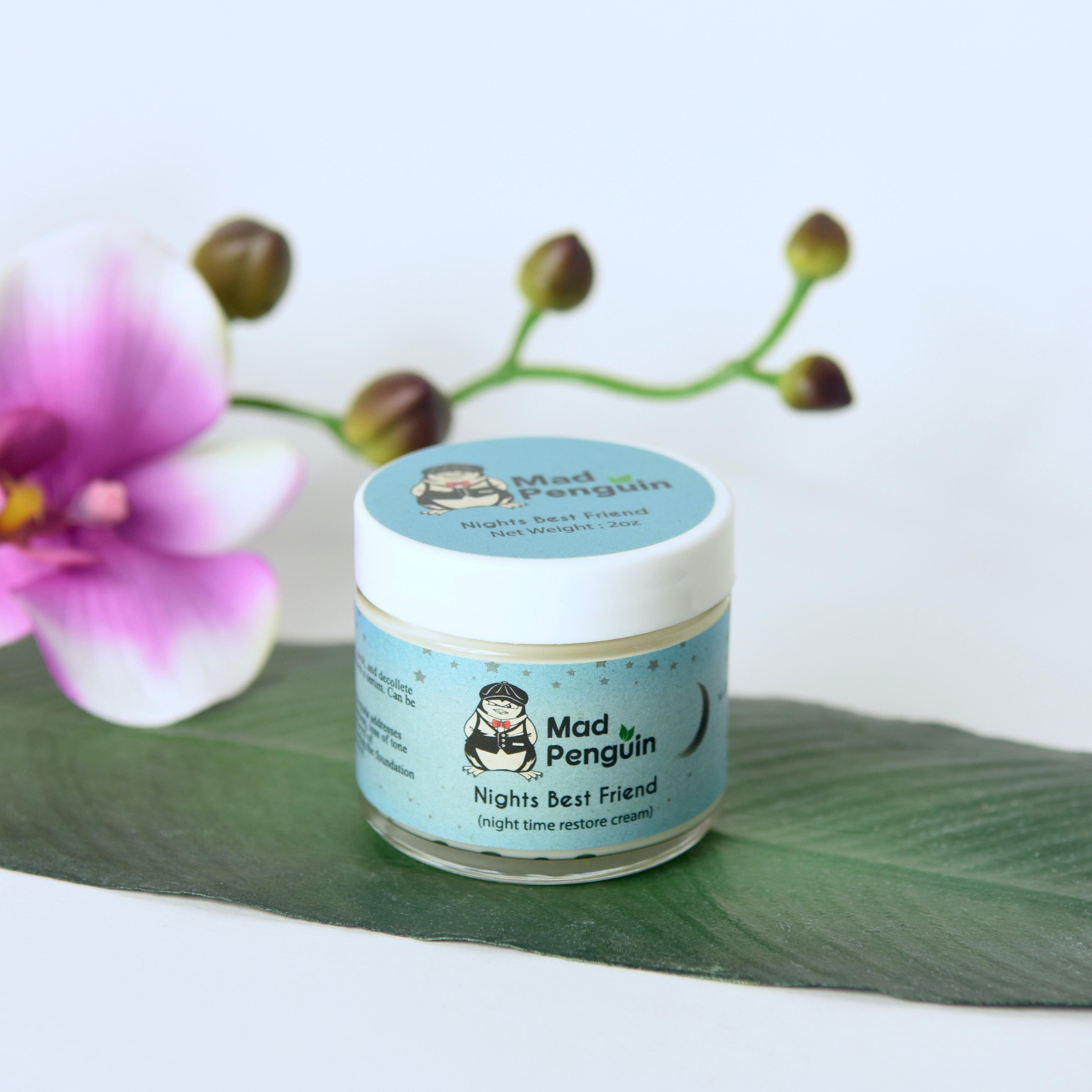
For an overnight boost, the Night's Best Friend Overnight Repair Cream pairs botanical oils and vitamins to help replenish moisture while you sleep.
| Product | Price | Best For | When to Use |
|---|---|---|---|
| California Ocean Mineral Anti-Aging Moisturizer | $33.00 | Dry, aging skin | Morning |
| Night's Best Friend Overnight Repair Cream | $35.00 | Overnight repair | Night |
| Hydrating Skin Starter Kit | $48.00 | All skin types | Full routine |
| Healthy Skin Routine | $96.00 | Complete care | Day and night |
Price
Irritation, Allergies, and Fragrance Risks in Botanical Formulas
Botanical formulas carry real irritation risk, and fragrance is the usual suspect. A review published on PubMed Central identified about 88 chemicals across more than 73,000 cosmetic products as toxins associated with effects including headaches, dizziness, and skin irritation.
Sensitive skin should patch test any new cream on the inner forearm for 24 hours before applying it to the face.
Choosing Your Organic Face Cream Routine
A simple routine beats a crowded shelf. Start with a gentle cleanser, follow with a moisturizer matched to your skin type, and add a night cream if you want overnight repair. The Hydrating Skin Starter Kit bundles our hibiscus scrub and California Ocean Mineral Anti-Aging Moisturizer for an easy first step, while the Healthy Skin Routine includes the moisturizer, hibiscus face scrub, eye cream, and night cream in one set. At Mad Penguin Skincare, we build clean formulas free from synthetic chemicals and harsh additives, made for all skin types.
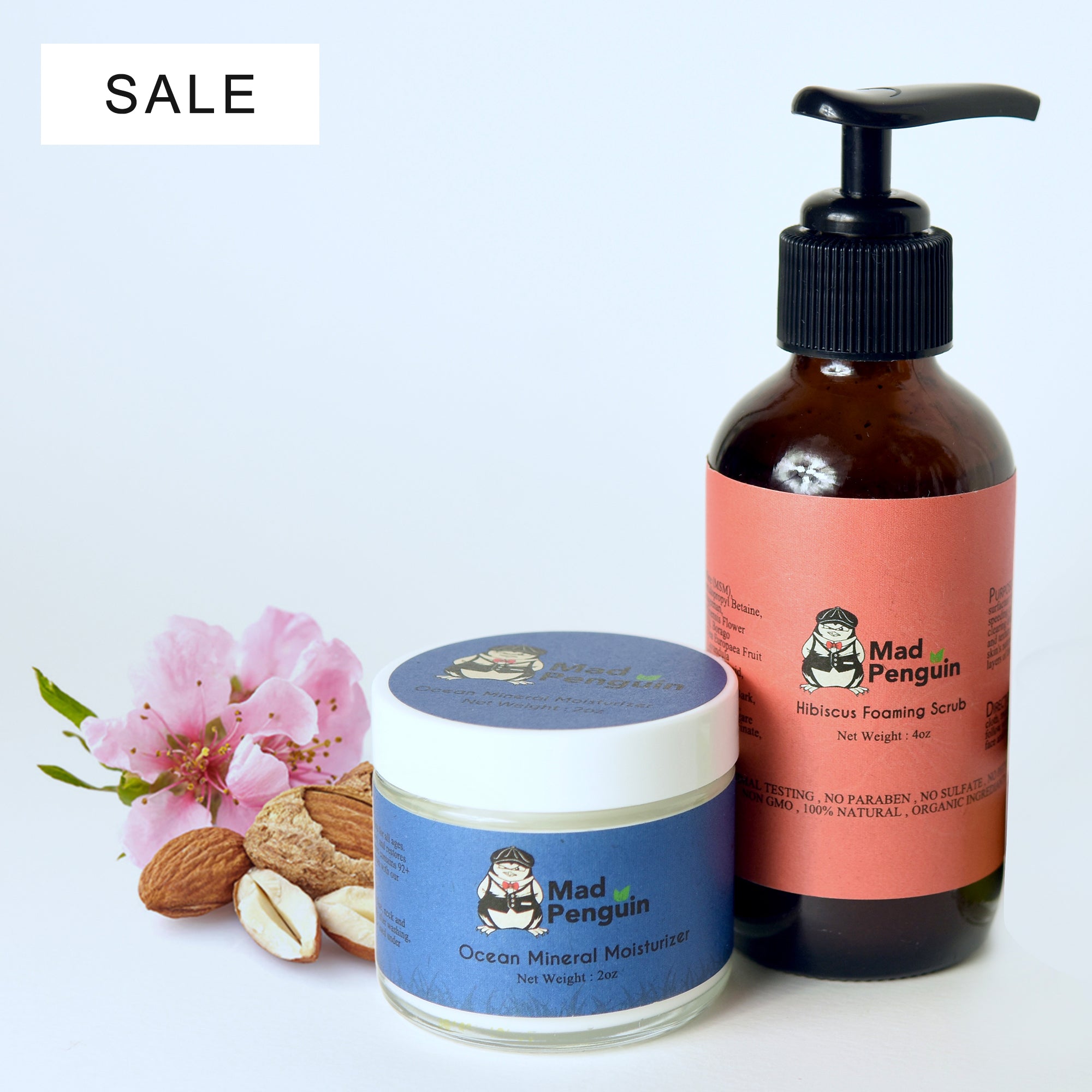
Choosing the right organic face cream should not feel like guesswork. Mad Penguin Skincare makes it simpler with natural, non-toxic formulas that hydrate and nourish while cutting out harsh additives, all in eco-friendly packaging. Start with the California Ocean Mineral Anti-Aging Moisturizer for daytime hydration, then add the Night's Best Friend Overnight Repair Cream for overnight repair. Get started with Mad Penguin Skincare and give your skin clean, effective care.
Frequently Asked Questions
What is the best natural organic face cream?
There is no single best organic face cream for everyone, because the right formula depends on your skin type and concerns. For dry or aging skin, look for one with botanical oils and ocean minerals that support hydration and smooth the look of fine lines, like Mad Penguin's California Ocean Mineral Anti-Aging Moisturizer ($33). For combination or oily skin, a lightweight, non-greasy formula works better. Check the ingredient list for recognizable plant extracts and avoid heavy fragrances if your skin is sensitive.
Is organic face cream worth it for oily or acne-prone skin?
It can be, if you choose the right texture. Many people with oily skin worry that organic creams will feel greasy, but lightweight botanical formulas absorb well and can support the moisture barrier without adding heaviness. For acne-prone skin, patch test first and avoid products with strong fragrances or comedogenic oils.
Are natural skin care products actually better for your skin?
Not automatically. What matters is the full formulation: beneficial plant extracts, effective preservatives, and no harsh additives. Organic certification can signal sourcing quality, but it does not guarantee your skin will tolerate a product. Always patch test.
How do I know if an organic face cream is worth the price?
Compare price per ounce and look at what you get for the money. A $33 moisturizer used daily can cost less per month than a $60 cream used sparingly. Check the ingredient list and whether the brand is transparent about what it contains. The Hydrating Skin Starter Kit from Mad Penguin Skincare is priced at $48.00.
Can organic face cream cause allergic reactions?
Yes. Botanical ingredients like essential oils, plant extracts, and beeswax can trigger contact dermatitis in some people, even when they are certified organic. Natural ingredients are not exempt from this risk. Patch test any new cream on your inner arm for 48 hours before applying it to your face, especially if you have sensitive skin.
