

Last Updated: November 5, 2026
Quick Summary
The seven best natural skincare ingredients for hydration are aloe vera, hyaluronic acid, jojoba oil, shea butter, rosehip oil, calendula and chamomile, and honey and propolis. Layer humectants on damp skin, follow with emollients, then seal with an occlusive to keep water in.
- Hydration has three roles: humectants pull water in, emollients soften, occlusives seal moisture in.
- Apply hyaluronic acid to slightly damp skin, then follow with a moisturizer.
- Save shea butter for night use or winter months, as it can feel too rich under makeup.
- Patch test every new botanical on your inner arm for 48 hours before applying to your face.
- In dry or cold climates, always follow humectants with an emollient or occlusive.
Table of Contents
- Why Natural Ingredients Matter for Hydrated Skin
- 1. Aloe Vera: The Soothing Water-Binder
- 2. Hyaluronic Acid: The Humectant That Pulls in Water
- 3. Jojoba Oil: The Emollient Close to Skin's Own Sebum
- 4. Shea Butter: The Rich Occlusive for Dry Skin
- 5. Rosehip Oil: Linoleic Acid for Barrier Support
- 6. Calendula and Chamomile: Calming Botanicals for Sensitive Skin
- 7. Honey and Propolis: Humectants With Antimicrobial Properties
- How to Layer Hydrating Skincare Ingredients
- Choosing Ingredients by Skin Type and Climate
- Frequently Asked Questions
Why Natural Ingredients Matter for Hydrated Skin
Natural skincare ingredients work best when they match how your skin actually holds water. Research cataloging herbal skincare science across 102 countries found that plant-based ingredients remain central to hydration-focused formulas worldwide (study on traditional herbal ingredients in skincare). At Mad Penguin Skincare, we prioritize clean formulas free from synthetic chemicals and harsh additives to support healthy, hydrated, and nourished skin naturally.
Here's the part most ingredient lists skip. Hydration isn't one job, it's three. Humectants pull water in. Emollients soften and smooth (Role of topical emollients and moisturizers in the treatment of dry skin barrier disorders). Occlusives seal moisture in so it stays put. Miss any one of those roles and your skin still feels tight by afternoon.
Below, we break down the seven best natural skincare ingredients for hydration, what each one actually does, and how to layer them so they work together. If you want a ready-made routine that puts these ingredients to work, our Hydrating Skin Starter Kit bundles a gentle scrub with a mineral-rich moisturizer for all skin types.

1. Aloe Vera: The Soothing Water-Binder
Aloe vera is a humectant gel that draws water into the skin.
A common mistake is treating aloe as a standalone moisturizer. It hydrates, but it doesn't seal. Pair it with an emollient or occlusive to lock that water in.
2. Hyaluronic Acid: The Humectant That Pulls in Water
Hyaluronic acid is a water-binding molecule used in hydrating skincare (ncbi.nlm.nih.gov).
Apply it to slightly damp skin, then follow with a moisturizer.
3. Jojoba Oil: The Emollient Close to Skin's Own Sebum
Jojoba oil is a wax ester used as an emollient in skincare.
4. Shea Butter: The Rich Occlusive for Dry Skin
Shea butter is a plant fat used in rich moisturizers.
Watch out: shea butter can feel too rich under makeup or in summer humidity. Save it for night use or winter months. For a full breakdown of how rich moisturizers differ, see our guide to lotion vs cream vs butter, and explore the top uses of shea butter beyond the face.
5. Rosehip Oil: Linoleic Acid for Barrier Support
Rosehip oil is a plant oil that contains linoleic acid.
Apply a few drops at night, after serums and before cream.
6. Calendula and Chamomile: Calming Botanicals for Sensitive Skin
Calendula and chamomile are botanicals commonly used in skincare.
Patch test any new botanical first, even a natural one. If your skin runs reactive, our breakdown of which soothing ingredients actually help reactive skin covers what to look for.
7. Honey and Propolis: Humectants With Antimicrobial Properties
Honey and propolis are natural ingredients sometimes used in skincare.
Both work well in overnight formulas, where their richness has time to absorb. Our Night's Best Friend Overnight Repair Cream is built for exactly that: botanical oils and ocean-inspired ingredients that replenish moisture while you sleep.

How to Layer Hydrating Skincare Ingredients
Layering is where hydration succeeds or fails. The principle is simple: apply humectants to damp skin so they can pull in water, then seal with an emollient or occlusive to prevent that water from evaporating. But the details matter.
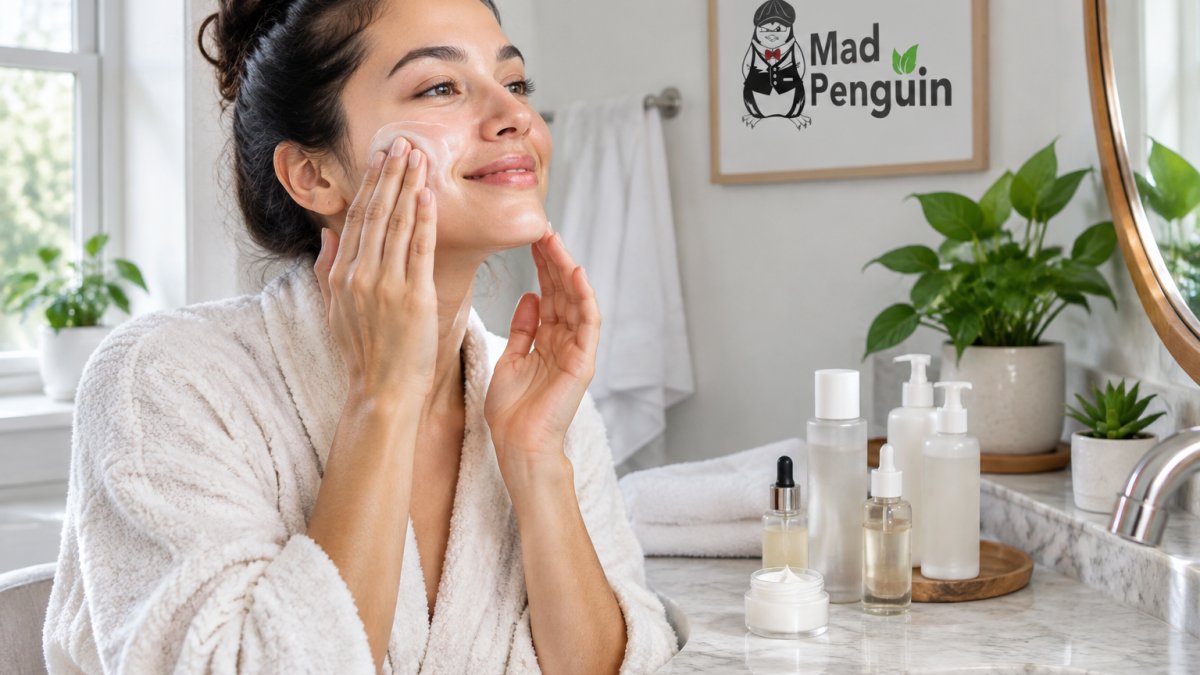
Step-by-step routine:
- Cleanse gently, use lukewarm water and a non-stripping cleanser. Pat skin dry but leave it slightly damp.
- Apply humectants (aloe vera, hyaluronic acid, honey) immediately to damp skin. This is critical: hyaluronic acid applied to dry skin in dry air can draw moisture from deeper layers, leaving skin feeling tighter.
- Follow with emollients (jojoba oil, rosehip oil) to soften and smooth. These also help lock in the water you just added.
- Seal with an occlusive (shea butter, rich cream) if your skin is dry or the climate is arid. This step is optional for oily skin in humid weather.
- Morning: finish with a broad-spectrum sunscreen, hydration won't repair UV damage.
Timing and frequency: You can layer humectants and emollients morning and night. Occlusives are often best at night when they have time to absorb. If you use a retinoid or exfoliant, apply it after cleansing and before humectants, unless the product instructs otherwise.
Common mistakes:
- Applying hyaluronic acid to dry skin in low humidity, this can backfire. Always dampen skin first or use a humidifier.
- Using too many products at once, sensitive skin does better with fewer layers.
- Skipping sunscreen, UV radiation degrades the skin barrier and increases water loss.
Evidence and limits: Remember that "natural" doesn't guarantee safety, patch test new oils and botanicals, especially if you have allergies.
For a complete routine that follows these principles, our Healthy Skin Routine includes a day moisturizer, night cream, scrub, and eye cream. Our California Ocean Mineral Anti-Aging Moisturizer is a lightweight humectant-rich option for daytime, while the Night's Best Friend Overnight Repair Cream provides occlusive support overnight.
Here is the layering order the article recommends, from first step to last.
| Step | What to do | Example ingredients |
|---|---|---|
| 1 | Cleanse gently, leave skin slightly damp | Non-stripping cleanser, lukewarm water |
| 2 | Apply humectants to damp skin | Aloe vera, hyaluronic acid, honey |
| 3 | Follow with emollients | Jojoba oil, rosehip oil |
| 4 | Seal with an occlusive if dry or arid | Shea butter, rich cream |
| 5 | Morning: finish with sunscreen | Broad-spectrum sunscreen |
Choosing Ingredients by Skin Type and Climate
Matching hydrating ingredients to your skin type and local climate is the difference between a routine that works and one that backfires. Most guides list benefits but skip this step. Here's how to choose wisely.
Oily or acne-prone skin: You still need hydration, but rich occlusives can clog pores. Reach for lightweight humectants like aloe vera and hyaluronic acid, and use jojoba oil sparingly as an emollient, it's the closest to your skin's own sebum and least likely to trigger breakouts. In humid climates, a humectant plus a thin layer of jojoba may be all you need. In dry climates, seal with a gel-cream rather than shea butter.
Dry skin: Your barrier lacks lipids, so you need all three roles: humectants to pull water in, emollients to soften, and occlusives to seal. Shea butter and rosehip oil are workhorses here. In winter or arid climates, apply a rich night cream with shea butter as the final step. In summer humidity, you can lighten up to rosehip oil alone.
Sensitive or reactive skin: Fewer ingredients is better. Stick to soothing botanicals like calendula and chamomile, and avoid essential oils and fragrances. Patch test every new product on your inner arm for 48 hours before applying to your face. Even natural ingredients can cause contact dermatitis.
Combination skin: You may need different products for different zones. Use a humectant like hyaluronic acid all over, then apply jojoba oil only on dry patches.
Climate matters as much as skin type: In humid climates (think coastal summers), humectants can draw enough water from the air, so you may not need a heavy occlusive during the day. In dry or cold climates, humectants can actually pull water from deeper skin layers if not sealed, so always follow with an emollient or occlusive. A common pattern is to switch to a richer cream when indoor heating kicks in.
Dehydrated vs. dry skin: Dehydrated skin lacks water and can feel tight even if oily; treat with humectants. Dry skin lacks oil and feels rough; treat with emollients and occlusives. Many people have both, so layer accordingly.
For a ready-made option that balances these needs, our Hydrating Skin Starter Kit pairs a gentle scrub with a mineral-rich moisturizer suitable for all skin types. If you're unsure where to start, our Healthy Skin Routine includes a day moisturizer, night cream, scrub, and eye cream to cover all three hydration roles.
Frequently Asked Questions
What is the most hydrating natural ingredient in skincare?
Hyaluronic acid and aloe vera are the strongest water-binding options among natural skincare ingredients. Hyaluronic acid holds many times its weight in water, while aloe vera delivers water plus soothing compounds. For lasting moisture retention, pair a humectant like these with an emollient such as jojoba oil or shea butter, because humectants draw water in but need an occlusive layer to keep it from evaporating.
Which natural ingredients help hold moisture in the skin?
Ingredients which hold in moisture fall into two groups. Emollients like jojoba oil, rosehip oil, and shea butter fill the gaps between skin cells to soften and smooth. Occlusives such as shea butter and beeswax form a breathable seal on the surface that slows water loss. Used after a humectant, they extend hydration through the day and overnight.
How can I tell if my skin is dry or dehydrated?
Dry skin lacks oil and often feels rough, flaky, or tight year-round. Dehydrated skin lacks water and can feel tight even when it looks oily, with more visible fine lines and dullness. A simple test: if moisturizer absorbs quickly and skin still feels tight an hour later, water loss is likely the issue. Dehydrated skin responds well to humectant-rich natural ingredients for dehydrated skin, while dry skin needs richer emollients and occlusives.
Can natural skincare ingredients irritate sensitive skin?
Yes. Natural does not automatically mean gentle. Essential oils, fragranced botanicals, and some plant extracts can trigger contact dermatitis in sensitive skin. Patch test any new product on your inner forearm for 24 to 48 hours before applying it to your face. Choosing simple formulas with shorter ingredient lists can help you keep track of what you're applying. Stop use if you notice redness, stinging, or bumps.
How should I layer hydrating skincare ingredients?
Apply products thinnest to thickest. Start with a gentle cleanser, then a water-based humectant while skin is still slightly damp so it has water to bind. Follow with a treatment serum if you use one, then an emollient moisturizer to seal everything in. At night, a richer cream supports overnight repair. Wait about a minute between layers so each absorbs before the next goes on.
Your skin loses water every day, and the right ingredients are what slow that loss. Mad Penguin Skincare formulates with natural, non-toxic ingredients free from synthetic chemicals and harsh additives, made for all skin types and packaged with the environment in mind. Start with the Hydrating Skin Starter Kit or build a full routine, and give your skin the hydration it's been asking for.
