

Table of Contents
- Understanding Synthetic Fragrance Side Effects
- Synthetic Fragrance Allergy Symptoms and Skin Reactions
- Respiratory and Neurological Effects of Synthetic Fragrances
- Hormone Disruption and Phthalates in Fragrance Products
- How to Identify Fragrance in Skincare Ingredients
- Fragrance-Free vs. Unscented Skincare: What's the Difference
- How to Avoid Fragrance in Skincare and Transition to Clean Products
- What to Do If a Fragrance Causes a Reaction
- Frequently Asked Questions
Last Updated: October 5, 2026
Understanding Synthetic Fragrance Side Effects
Synthetic fragrances are everywhere, in skincare, perfumes, candles, and cleaning products. But what many people don't realize is that these lab-created scents can trigger a range of unwanted reactions, from skin irritation to respiratory issues.
Synthetic fragrance side effects occur because fragrance formulations often contain dozens of undisclosed ingredients. The fragrance industry operates under a "trade secret" loophole that allows manufacturers to list "fragrance" or "parfum" on labels without revealing what's actually inside. This opacity means consumers rarely know what they're applying to their skin or breathing into their lungs.
The difference between synthetic and natural fragrances matters too. Synthetic fragrances are petrochemical-derived compounds engineered in laboratories to replicate scents or create entirely new ones. They're cheaper to produce than natural alternatives, which is why they dominate the personal-care products market. But that cost advantage comes with a hidden price: increased risk of sensitizers, allergens, and other compounds that can trigger adverse reactions in susceptible individuals.
Understanding these risks isn't about fear, it's about making informed choices. Many people experience reactions they don't connect to fragrance because symptoms can appear hours or even days after exposure. This section breaks down what happens when synthetic fragrances interact with your skin and body.
Synthetic Fragrance Allergy Symptoms and Skin Reactions
Allergic Contact Dermatitis
Allergic contact dermatitis is an immune response triggered when fragrance allergens penetrate the skin barrier and activate your body's defense system. Unlike irritant reactions, allergic responses involve your immune system recognizing a fragrance ingredient as a threat and mounting a targeted attack.
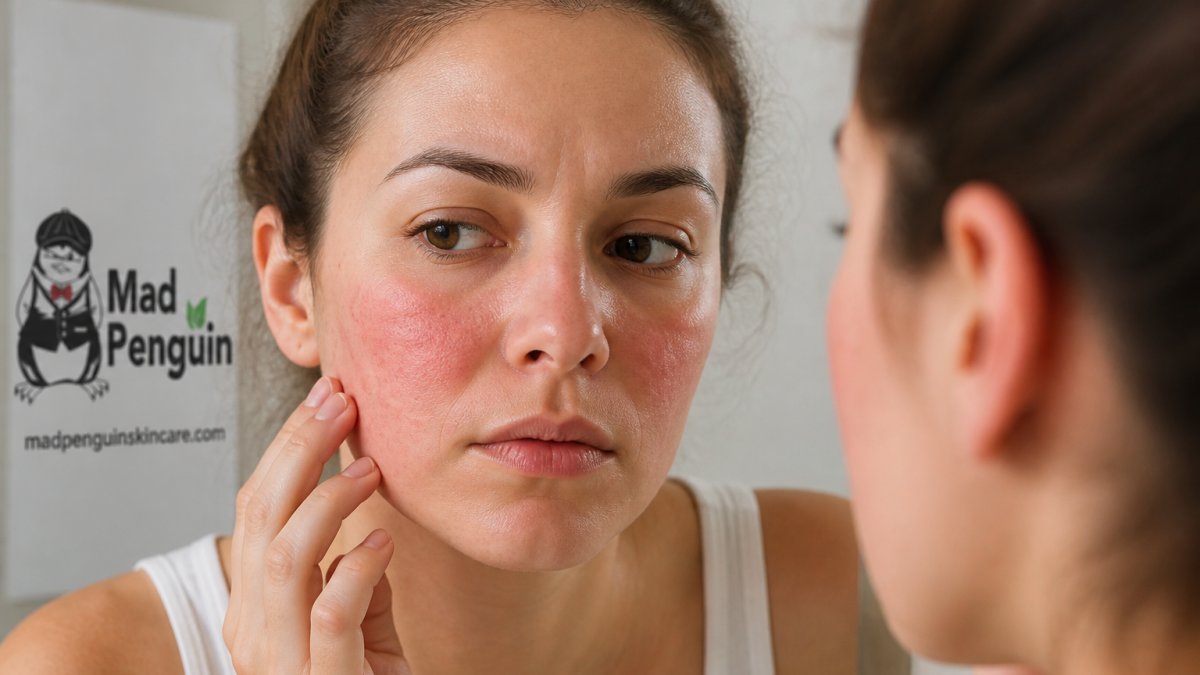
Common fragrance allergens include oakmoss, geraniol, and limonene, ingredients found in many synthetic and natural fragrances. When you're sensitized to one of these compounds, even tiny amounts can trigger a reaction. Symptoms typically appear 24 to 48 hours after exposure and may include itching, redness, swelling, and sometimes blistering. The reaction is localized to wherever the fragrance touched your skin, though it can spread if you scratch and transfer the allergen.
The tricky part: you can use a fragrance for years without problems, then suddenly develop an allergy. Sensitization happens gradually as your immune system builds a response to repeated exposure. Once sensitized, the reaction tends to worsen with each subsequent contact.
Irritant Contact Dermatitis
Irritant contact dermatitis differs from allergic reactions, it's a chemical burn rather than an immune response. Fragrance ingredients like aldehydes, essential oils, and synthetic musks can damage your skin's protective barrier directly, causing inflammation without involving your immune system.
Irritant reactions appear quickly, sometimes within minutes of application. You'll notice burning, stinging, redness, and dryness. The reaction doesn't require prior sensitization; anyone can experience it if the irritant concentration is high enough or if their skin barrier is already compromised. People with eczema, rosacea, or other sensitive skin conditions are especially vulnerable because their barriers are naturally weaker.
The distinction matters for treatment. Allergic reactions require complete avoidance of the triggering allergen, while irritant reactions may resolve simply by stopping use and allowing your barrier to heal. However, repeated irritation can eventually lead to sensitization, turning an irritant reaction into an allergic one over time.
Respiratory and Neurological Effects of Synthetic Fragrances
Beyond skin reactions, inhaling fragrance compounds can affect your respiratory system and nervous system. Synthetic fragrances release volatile organic compounds (VOCs) into the air, chemicals that evaporate at room temperature and enter your lungs when you breathe.
Common respiratory symptoms include coughing, wheezing, shortness of breath, and asthma attacks in people with reactive airways. Some individuals report headaches or migraines triggered by fragrance exposure. The mechanism isn't fully understood, but fragrance VOCs may irritate nasal passages and trigger nerve endings that signal pain to the brain. People with asthma or chronic rhinitis are at higher risk for these reactions.
Neurological effects are less well-documented but increasingly reported. Some fragrance ingredients may cross the blood-brain barrier and affect neurotransmitter function, contributing to headaches, dizziness, or mood changes. The evidence quality varies, but the reports are consistent enough that fragrance sensitivity should be considered when investigating unexplained neurological symptoms.
The exposure route matters significantly. Wearing a fragrance directly on your skin means slower, localized absorption. Spraying fragrance in the air or using scented products throughout your home creates continuous inhalation exposure, which may trigger symptoms in more people.
Hormone Disruption and Phthalates in Fragrance Products
One of the most concerning aspects of synthetic fragrances is their potential connection to endocrine disruption. Phthalates, plasticizers used as fragrance fixatives to make scents last longer, have been linked to hormone disruption in some research (pubmed.ncbi.nlm.nih.gov). These compounds can mimic or interfere with natural hormones, potentially affecting reproductive health and development.
Phthalates aren't always listed on fragrance labels because they're considered part of the fragrance formulation. This means you might be exposed without knowing it. The FDA doesn't regulate fragrance ingredients as strictly as other cosmetic components, creating a gap in consumer protection.
Other fragrance ingredients raise similar concerns. Synthetic musks, used to create long-lasting scent profiles, accumulate in body tissues over time. Parabens, often paired with fragrances in formulations, exhibit weak estrogenic activity. While the individual risk from any single exposure is likely small, cumulative exposure from multiple fragrance-containing products throughout the day could potentially matter for vulnerable populations like pregnant people or young children.
The evidence quality on hormone disruption is mixed, some studies show effects in lab settings, while human studies are limited. This uncertainty is precisely why transparency matters. If you're concerned about potential endocrine effects, choosing fragrance-free products is the safest approach until more definitive evidence emerges.
How to Identify Fragrance in Skincare Ingredients
Reading ingredient lists is your first defense against unwanted fragrance exposure. The challenge is that fragrance hides under multiple names and isn't always obvious.
Look for these fragrance indicators on labels:
- Fragrance or Parfum, the most common labels for fragrance mixtures
- Essential oils, technically natural but still aromatic compounds that can trigger reactions
- Alcohol denat (denatured alcohol), often used as a fragrance carrier
- Fragrance allergens by name, limonene, linalool, geraniol, citral, eugenol, oakmoss absolute
- Aroma or Aromatic compounds, alternative names for fragrance
- Natural fragrance or Nature-identical fragrance, still fragrance, just sourced or created differently
The ingredient list order matters too. Ingredients are listed by concentration, so if fragrance appears near the beginning, the product contains significant amounts. If it's near the end, the concentration is lower, though even small amounts can trigger reactions in sensitive people.
Some brands use the term "unscented" while still including fragrance to mask other odors. Others use "fragrance-free," which should mean no fragrance was added. However, labeling standards aren't perfectly enforced, so checking the full ingredient list remains essential.
At Mad Penguin Skincare, we believe transparency is non-negotiable. Our California Ocean Mineral Anti-Aging Moisturizer and Goodbye Puffy Eyes Natural Antioxidant Eye Cream are formulated without synthetic fragrances, so you know exactly what you're applying to your skin.
Fragrance-Free vs. Unscented Skincare: What's the Difference
These terms sound similar but carry different meanings in skincare labeling.
Fragrance-free means no fragrance was intentionally added to the product. The ingredient list should show no "fragrance," "parfum," or fragrance allergens. This is the safest choice for people with fragrance sensitivities.
Unscented often means fragrance was added to mask the smell of other ingredients, but the final product has a neutral smell. This is a marketing distinction, not a safety one. An unscented product may still contain fragrance ingredients that trigger reactions, just in amounts that don't create a noticeable scent to most people.
The difference is crucial. If you're sensitive to fragrance, "unscented" offers no protection. You need genuinely fragrance-free products. Check the ingredient list rather than relying on marketing language.
Some products use the term "lightly scented" or "naturally scented," which clearly indicates fragrance is present. Others describe themselves as "clean" or "pure" without clarifying fragrance status, always verify by reading ingredients.
How to Avoid Fragrance in Skincare and Transition to Clean Products
Transitioning away from fragrance-containing products doesn't mean sacrificing effective skincare. The key is finding fragrance-free alternatives that address your actual skin concerns.
Start by auditing your current routine. List every product you use and check ingredient lists for fragrance indicators.
Replace one product at a time. Switching everything simultaneously makes it hard to identify which products your skin tolerates. Replace your most-used product first, typically a cleanser or moisturizer. Give your skin two weeks to adjust before introducing another new product.
Expect a transition period. If you've been using fragranced products, your skin may feel or smell different initially. Fragrance masks natural skin odor and can create a false sense of freshness.
Choose products formulated for your skin type and concerns. Fragrance-free doesn't mean ineffective. Our L.A. Hibiscus natural face scrub and Night's Best Friend Overnight Repair Cream deliver visible results without synthetic fragrance, proving that clean formulations and performance aren't mutually exclusive.
Watch for hidden fragrance sources. Fragrance isn't just in skincare. Laundry detergent, fabric softeners, and air fresheners create ongoing exposure. If you're transitioning to fragrance-free skincare, consider extending that choice to other personal-care and household products.
What to Do If a Fragrance Causes a Reaction
If you suspect a fragrance triggered a reaction, your first step is to stop using the product immediately.
For skin reactions:
Wash the affected area with cool water and a gentle, fragrance-free cleanser. Avoid hot water, which can increase inflammation. Pat dry gently and apply a fragrance-free moisturizer to support barrier repair.
For respiratory symptoms:
Move to fresh air immediately if you've inhaled fragrance and experience coughing or wheezing. Open windows to improve ventilation.
For headaches or neurological symptoms:
Remove the fragrance source and move to a well-ventilated area. Rest in a quiet, dimly lit space if light sensitivity accompanies the headache.
Document the reaction. Note the product name, ingredients, symptom type, severity, and duration. This information is valuable if you need to discuss the reaction with a dermatologist or allergist.
Consider patch testing. If you suspect fragrance allergy, a dermatologist can perform patch testing to identify which specific fragrance ingredients trigger your reactions.
Avoid the triggering ingredient going forward. Once you've identified a fragrance allergen or irritant, check ingredient lists carefully to ensure you don't re-expose yourself. Many fragrance ingredients appear in multiple products under different brand names.
Fragrance sensitivity is real, and your skin's reaction is valid. Explore our fragrance-free collection and discover skincare that works for your skin, not against it.
| Fragrance Type | Skin Reaction Risk | Respiratory Risk | Ingredient Transparency | Best For |
|---|---|---|---|---|
| Synthetic fragrance | High | Moderate to high | Low (trade secret) | General consumers unconcerned with sensitivities |
| Natural fragrance | Moderate | Moderate | Variable | Those seeking natural but still risk-aware |
| Essential oils | Moderate to high | Moderate | Higher (named ingredients) | Those with specific oil tolerances |
| Fragrance-free | Minimal | Minimal | Complete | Sensitive skin, allergies, respiratory concerns |
Frequently Asked Questions
What are the most common synthetic fragrance allergy symptoms?
Synthetic fragrance allergy symptoms include itching, redness, burning sensations, and swelling on the skin where the product was applied. Some people experience headaches, dizziness, or difficulty breathing when exposed to strong fragrance. Symptoms can appear immediately or develop over days of repeated exposure. If you notice any of these reactions after using a fragranced product, discontinue use and consult a dermatologist to confirm whether the fragrance is the trigger.
How do I identify fragrance in skincare ingredients on a label?
Look for the terms 'fragrance,' 'parfum,' 'essential oils,' or 'natural fragrance' in the ingredient list. Under current labeling rules, manufacturers can hide fragrance ingredients under the umbrella term 'fragrance' without disclosing individual components. If you want complete transparency, choose products labeled 'fragrance-free' or 'unscented.' Brands like Mad Penguin Skincare prioritize ingredient transparency, making it easy to identify exactly what you're applying to your skin.
What's the difference between fragrance-free and unscented skincare?
Fragrance-free means no fragrance ingredients have been added to the product at all. Unscented can be misleading, it means the product may contain fragrance ingredients, but they are masked by other chemicals so you cannot smell them. For sensitive skin or fragrance sensitivity, always choose products explicitly labeled 'fragrance-free.' This distinction is crucial when switching to clean skincare that won't trigger reactions or respiratory symptoms.
How can I avoid fragrance in skincare while still getting effective results?
Switch to fragrance-free skincare lines that use natural, non-toxic ingredients instead. Read labels carefully and avoid products listing 'fragrance' or 'parfum' in the first five ingredients. Look for certifications or brands that emphasize ingredient transparency. Mad Penguin Skincare offers fragrance-free options formulated for all skin types, including products like the California Ocean Mineral Anti-Aging Moisturizer and Night's Best Friend Overnight Repair Cream, which deliver results without synthetic fragrance or harsh additives.