

Last Updated: November 21, 2026
Quick Summary
To layer facial oils with water-based serums, apply the water-based serum first, let it absorb for about 30 seconds to a minute, then press the facial oil on top as the final seal. Thin textures go before rich ones because oil creates a barrier that can block watery products from reaching your skin.
- Water-based products go first and oil-based products go after, from lightest to richest.
- Wait 30 to 60 seconds between serum and moisturizer, or until skin feels soft and mostly dry.
- Use a pea-sized amount of serum and 2 to 3 drops of oil to help prevent pilling.
- Press and pat products into the skin instead of rubbing to avoid lifting each layer.
- Apply silicone-heavy formulas last, after water-based serums and moisturizers, unless directions say otherwise.
Table of Contents
- The Thin-to-Thick Rule for Facial Oils and Water-Based Serums
- Water-Based vs. Oil-Based Skincare Order: What Goes Where
- How Long to Wait Between Serum and Moisturizer
- How to Layer Skincare Without Pilling
- Exceptions to the Thin-to-Thick Rule Based on Formulation
- Adjusting Your Layering Routine for Skin Type and Climate
- Building Your Mad Penguin Layering Routine
- Frequently Asked Questions
The Thin-to-Thick Rule for Facial Oils and Water-Based Serums
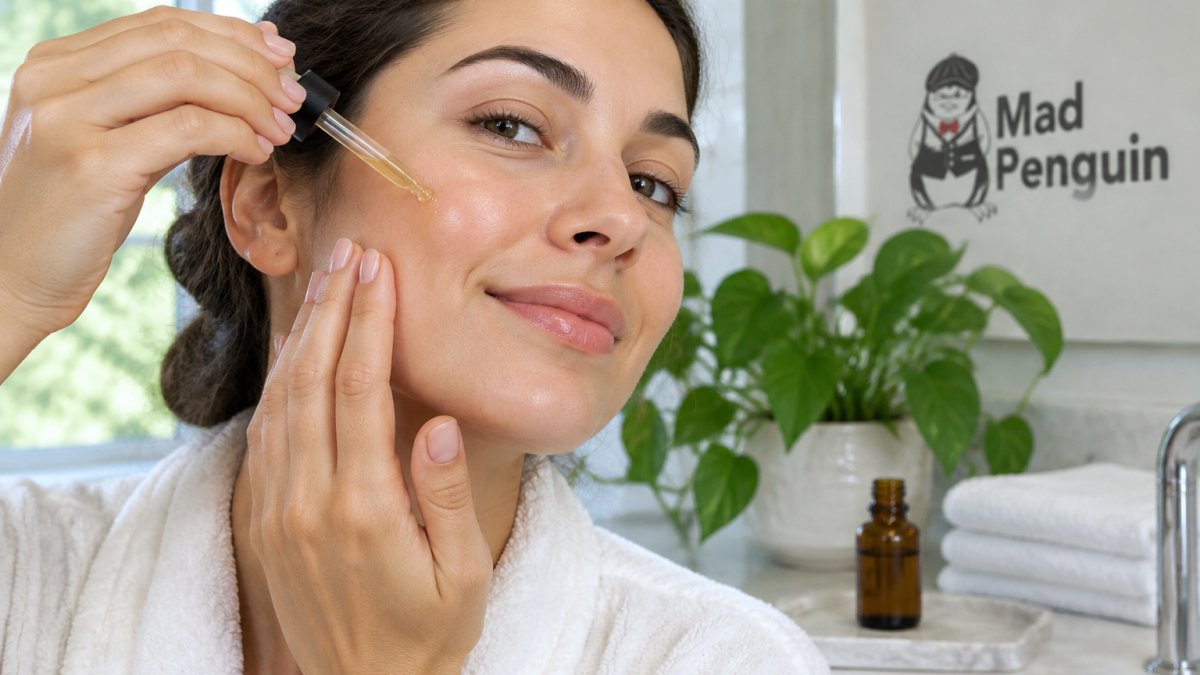
The rule for how to layer facial oils with water based serums is simple: apply the water-based serum first, let it absorb, then press the facial oil on top.
That single rule solves most layering confusion.
Here is why the order matters so much.
Why Water-Based Serums Go First
Water-based serums carry hydration and active ingredients in a lightweight formula. Your skin drinks them up fast.
Think of it like a sponge. You soak the sponge with water before you seal it. Oil is the seal.
A good water-based serum is the hydration step. The facial oil is the lock. Get the order right and both do their job.
If you want to know which hydrating ingredients work best in that first step, see our guide to the best natural skincare ingredients for hydration.
Water-Based vs. Oil-Based Skincare Order: What Goes Where
Water-based products go first, oil-based products go after. That is the short answer to the water-based vs. oil-based skincare order question.
Here is the full sequence, from lightest to richest:
- Cleanser
- Toner or essence
- Water-based serum
- Moisturizer
- Facial oil
A few ground rules help:
- Water-based serum before moisturizer.
- Facial oil after moisturizer, as the final seal.
- Occlusive balm last, only where skin feels tight.
The texture decides the slot. Watery formulas sink in. Rich formulas sit on top and protect. Apply in that order and each layer can do its job.
How Long to Wait Between Serum and Moisturizer
Wait about 30 seconds to a minute between your serum and moisturizer.
You do not need a stopwatch. A simple test works better: touch your skin.
For facial oils, the same logic applies. Apply your moisturizer, let it settle briefly, then press the oil on top.
Rushing the wait is a common mistake. Layers piled on wet skin tend to pill and slide.
How to Layer Skincare Without Pilling
Pilling, those little rolls or flakes that appear when you rub your skin, happens when products don't absorb or when incompatible formulas ball up. The fix is part technique, part product selection, and part patience. Pilling is usually a sign of too much product, too little wait time, or conflicting ingredients.
Why Pilling Happens
Pilling occurs when:
- You apply too much product. A pea-sized amount of serum and 2-3 drops of oil is plenty for the full face. Excess product sits on the surface and rolls up.
- You don't wait between layers. Water-based serums need 30-60 seconds to absorb. If you apply oil over a wet serum, the oil can lift the serum and create flakes.
- You mix incompatible textures. Silicone-based products (common in primers and some moisturizers) can ball up when layered over water-based serums. Apply silicone products last, or avoid stacking them with water-based layers.
- You rub instead of press. Rubbing creates friction that lifts product. Press and pat products into the skin.
Step-by-Step Fix
- Use less. Start with a pea-sized amount of serum and 2-3 drops of oil. Add more only if skin feels tight after absorption.
- Wait between layers. After serum, touch your skin. If it feels wet and slippery, wait 30-60 seconds. If it feels soft and mostly dry, proceed.
- Press, don't rub. Use gentle patting motions to press each layer into the skin.
- Apply silicone last. If your moisturizer or primer contains dimethicone or cyclopentasiloxane, apply it after water-based serums and oils.
- Check product directions. Some products (like certain vitamin C serums) instruct to apply on dry skin before other layers. Follow those directions.
Watch out: if pilling persists, try eliminating one product at a time to identify the culprit. Often, a single incompatible pair, like a silicone-heavy moisturizer over a water-based serum, is the cause.
When Pilling Signals Irritation
Pilling can sometimes accompany irritation or a compromised skin barrier. If you notice redness, stinging, or flaking along with pilling, simplify your routine to cleanser, moisturizer, and sunscreen until skin calms. Our guide on how to soothe irritated facial skin walks through a gentler recovery routine.
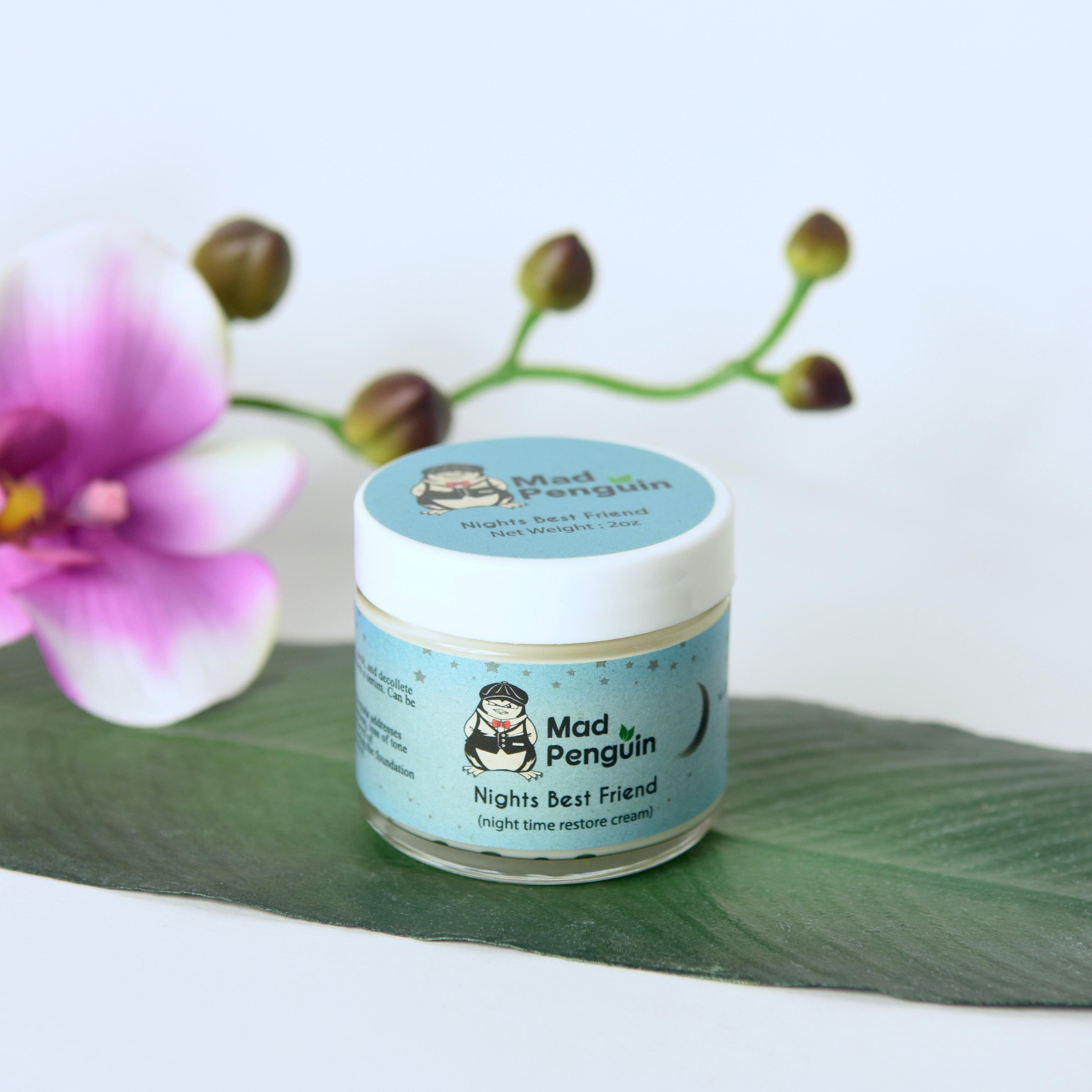
For a pilling-free routine, consider our Night's Best Friend Overnight Repair Cream. Pair it with a water-based serum and a few drops of facial oil for a smooth, non-pilling finish.
Exceptions to the Thin-to-Thick Rule Based on Formulation
The thin-to-thick rule is a starting point, not a universal law. A product's actual formulation, its ingredients, texture, and intended use, can override the simple water-before-oil sequence. Reading the ingredient list and following product directions matters more than the label "serum" or "oil."
Here is how to evaluate exceptions in practice.
Check the Base, Not Just the Label
A water-based serum is primarily water or aloe juice, with water-soluble actives like niacinamide, hyaluronic acid, or vitamin C (L-ascorbic acid). An oil-based serum or facial oil is primarily plant oils, esters, or silicones. But some products blur the line:
- Thick water-based serums (gels with high-molecular-weight hyaluronic acid or polyglutamic acid) can feel heavier than a lightweight facial oil. In that case, apply the watery toner first, then the thick gel serum, then the lightweight oil, then a richer cream.
- Lightweight facial oils (like squalane or fractionated coconut oil) absorb quickly and may sit comfortably under a heavy cream if the cream is very occlusive. A common pattern is to apply the lightweight oil, wait a minute, then apply the cream, but only if the cream is richer than the oil.
- Oil-based serums (often labeled "oil serum" or "facial oil concentrate") behave like facial oils and belong after water-based serums and moisturizers.
- Silicone-heavy formulas (dimethicone, cyclopentasiloxane) create a smooth film that can block water-based products from reaching the skin. Apply them last, after water-based serums and moisturizers, unless the product directions say otherwise.
Ingredient Compatibility with Actives
Layering oils with active ingredients requires extra care. The order still generally follows water before oil, but some actives need specific handling:
- Retinoids (retinol, tretinoin): Apply the retinoid first on clean, dry skin, wait until absorbed, then follow with a moisturizer and optionally a facial oil. Oil can buffer irritation, but it can also increase penetration of some retinoids, follow the product's directions. If you use a prescription retinoid, ask your dermatologist before adding oils.
- Exfoliating acids (AHA/BHA): Apply the acid serum first, wait, then moisturizer, then oil. Oils can temporarily reduce the sting of acids, but they should not be used to mask irritation. If irritation persists, stop the acid and consult a professional.
- Vitamin C (L-ascorbic acid): Apply the vitamin C serum first, then a moisturizer, then oil. Some oils (like vitamin E) can support vitamin C stability, but mixing them directly can affect absorption. Follow the product's directions.
- Niacinamide: Water-based niacinamide serums go before oils. No known conflict with most oils, but if you experience flushing, apply niacinamide first and wait before adding oil.
When in doubt, follow the product's directions or consult a skincare professional. Our soothing ingredients guide can help you identify which actives pair safely with reactive skin.
When to Break the Rule
Break the thin-to-thick rule when:
- The product directions explicitly say to apply it after moisturizer or oil.
- A thick water-based serum feels heavier than your facial oil, apply the lighter product first.
- You are using a silicone-based primer or occlusive balm, apply it last.
- Your skin reacts poorly to a specific order, patch test and adjust.
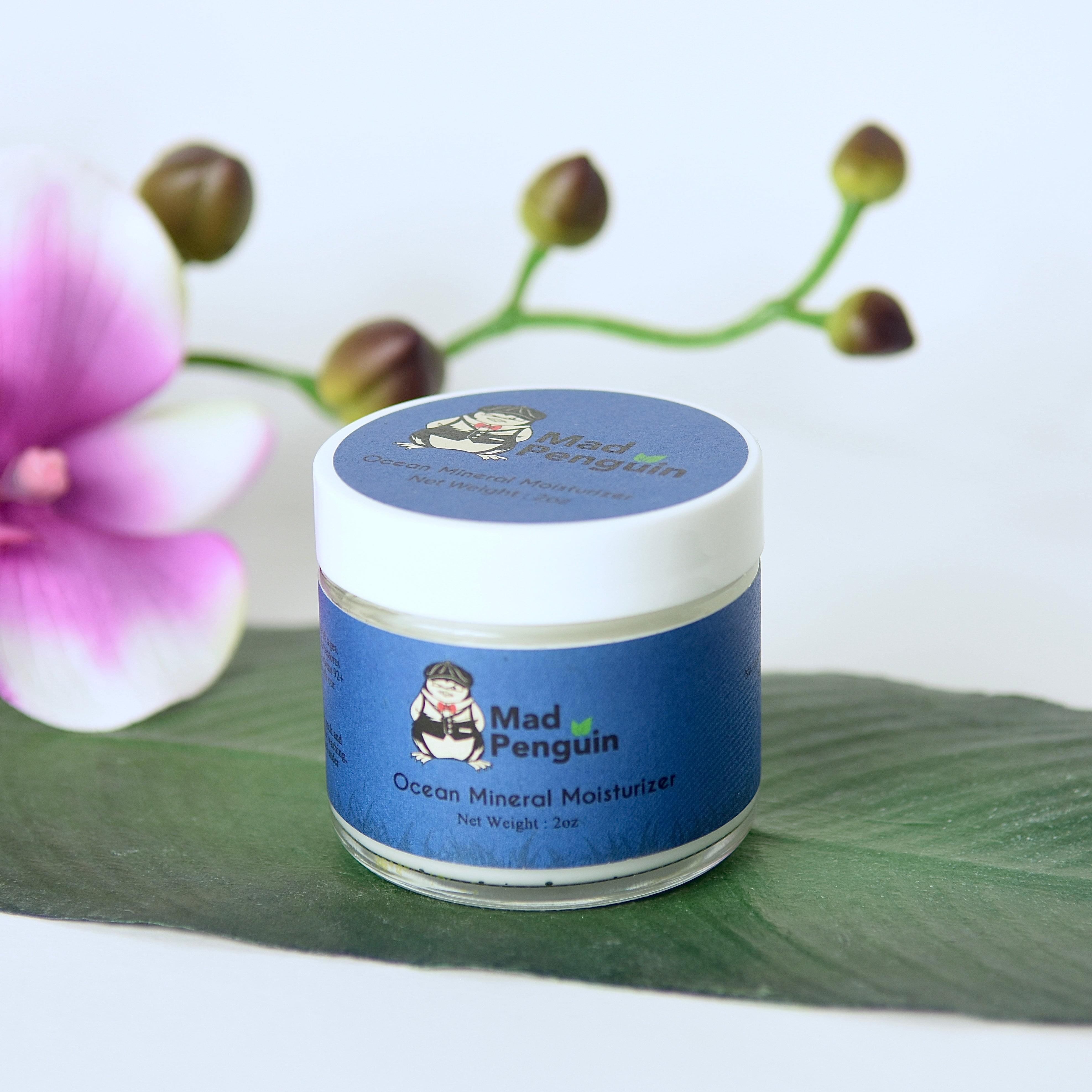
The goal is absorption and comfort, not rigid adherence. If a layer pills or feels greasy, swap the order and observe. For a full routine that respects these exceptions, visit the Mad Penguin Skincare website and explore our California Ocean Mineral Anti-Aging Moisturizer.
Adjusting Your Layering Routine for Skin Type and Climate
Your skin type and your climate both change how you layer. The order stays the same, but the amounts and textures shift.
- Dry skin: Use a richer moisturizer and a facial oil every night to seal in moisture.
- Oily skin: Choose a lightweight water-based serum and use facial oil sparingly, or only at night.
- Combination skin: Apply oil only on dry areas like cheeks, and keep the T-zone light.
- Sensitive skin: Patch test new oils and keep your routine short.
The goal is a routine that hydrates without feeling greasy. Adjust amounts first, then textures.
Combination skin readers can find a fuller plan in our guide on how to hydrate and nourish combination skin naturally.
Building Your Mad Penguin Layering Routine
A simple Mad Penguin layering routine keeps the order clear and the steps few. Here is how we would build it for a dry, sensitive skin type.
Morning:
- Cleanse gently.
- Apply a water-based serum and let it absorb.
- Add moisturizer.
- Press on a few drops of facial oil if skin feels dry.
Evening:
- Cleanse.
- Apply serum.
- Add moisturizer or a repair cream.
- Seal with facial oil.
A few of our products fit these steps. Our California Ocean Mineral Anti-Aging Moisturizer can serve as a moisturizer layer. For a night-time option, our Night's Best Friend Overnight Repair Cream is available on the Mad Penguin Skincare website.
Dry, sensitive readers who want a full AM/PM example can follow our anti-aging routine for dry sensitive skin.
| Step | Product Type | When | Tip |
|---|---|---|---|
| 1 | Cleanser | AM and PM | Use lukewarm water |
| 2 | Water-based serum | AM and PM | Pat in, then wait |
| 3 | Moisturizer | AM and PM | Press, don't rub |
| 4 | Facial oil | PM, or dry days | A few drops is enough |
Layering facial oils and water-based serums correctly takes a little practice, but the payoff is skin that feels hydrated and calm instead of greasy or irritated.
Frequently Asked Questions
Do facial oils go on before or after water-based serums?
Facial oils go after water-based serums. Water-based formulas are thinner and absorb quickly into the skin, while oils are richer and form a seal on the surface. Apply your serum first, let it absorb for about 30 to 60 seconds, then press a few drops of facial oil over the top. This order lets the water-based ingredients reach the skin before the oil creates its barrier, so you get the benefits of both without the oil blocking the serum.
Can you use a water-based serum and facial oil together?
Yes, and they work well as a pair. A water-based serum delivers hydration and water-soluble actives, while a facial oil seals in that moisture and supports the skin barrier. The key is order: serum first, oil second. If you use a moisturizer too, apply it after the serum and before the oil. This layering approach lets each product do its job without interfering with the others, and it suits most skin types when you adjust the amount of oil you use.
How long should you wait between applying serum and facial oil?
Wait about 30 to 60 seconds between your serum and facial oil. You do not need a long pause, just enough time for the serum to sink in so the oil does not dilute it or push it around. If your serum feels tacky, give it another 30 seconds. For a moisturizer step, the same short wait applies between serum and moisturizer. Pressing the oil in with your palms rather than rubbing helps it sit evenly over the serum layer.
Can layering facial oil over serum cause pilling?
It can if you use too much product or rub instead of press. Pilling happens when layers do not absorb and instead ball up under friction. To avoid it, use a small amount of serum, wait for it to absorb, then press two to three drops of oil over your face with light palms. Avoid dragging or massaging vigorously after the oil goes on. If pilling persists, check whether your serum contains high levels of silicones or acids, which can interact poorly with some oils.
